Raman Spectroscopy

Raman Spectroscopy

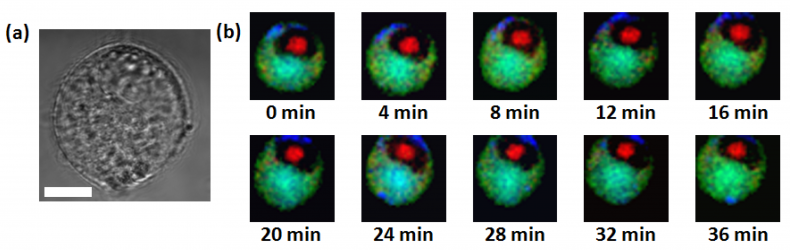
Raman spectroscopy is a vibrational imaging technique that captures inelastic scattering of light to provide chemically specific, label-free analysis of molecular composition. It enables real-time, noninvasive characterization of cells, tissues, and materials at subcellular resolution. Its applications span drug response profiling, biosensing, live-cell imaging, and surgical margin assessment. Enhancements such as confocal architectures and SERS have extended its speed, sensitivity, and specificity in complex biological environments. Within this expanding landscape, Raman has been applied to visualize nanoparticle uptake in live cells, characterize spectral markers of drug-induced apoptosis, and support in vivo biosensing in cancer models. DNA-functionalized carbon nanotube Raman sensors have enabled longitudinal monitoring of oxidative stress, illustrating the platform’s utility in capturing dynamic molecular processes in translational research and preclinical therapeutic evaluation.

Carbon Nanotubes

Carbon Nanotubes

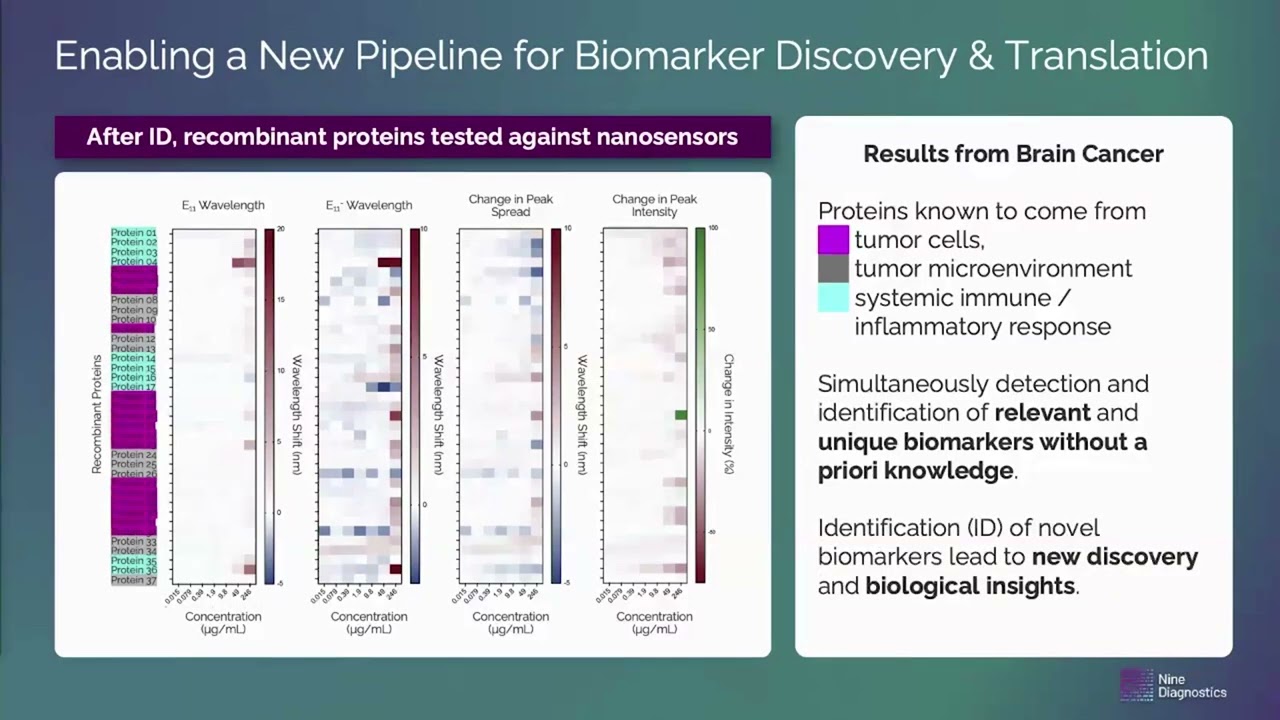
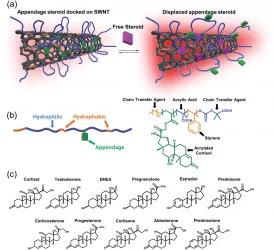
Carbon nanotubes (CNTs) are nanomaterials with distinctive optical, electronic, and vibrational properties that enable their use in molecular imaging, biosensing, and diagnostics. Their near-infrared fluorescence and Raman activity support sensitive, real-time detection in complex biological environments, while their surfaces can be tailored for selective molecular recognition. Work in this space has included computational modeling of transition metal doping and hybrid porphyrin–nanotube systems, the design of corona phase–functionalized sensors for detecting chemotherapeutics and vitamins, and Raman imaging of intracellular uptake dynamics. These technologies have been applied in cancer pharmacodynamic monitoring and physiologic biologging in marine animals. To support clinical translation, nanotube sensors have been integrated into a fiber-optic benchtop reader and paired with wavelength-induced frequency filtering to enhance in vivo signal fidelity. Carbon nanotubes remain a versatile platform for bridging nanoscience and biomedicine.

Contrast Agents

Contrast Agents

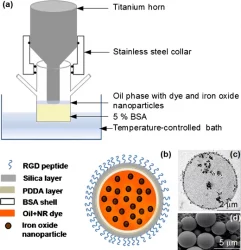
Contrast agents are materials that enhance the visibility of biological structures and processes in biomedical imaging by improving sensitivity, resolution, and functional specificity. They play a central role in modalities such as MRI, optical coherence tomography (OCT), and fluorescence imaging, enabling detection of molecular targets and dynamic tissue properties. Increasingly, contrast agents are being engineered to provide multimodal signals and targeted biological interaction. In this context, protein microspheres have been developed as versatile agents combining magnetic, optical, and biochemical functionalities. This work has included the design of RGD-functionalized microspheres for tumor targeting, the integration of these agents into magnetomotive OCT and fluorescence imaging workflows, and the optimization of their mechanical and molecular properties. Applied in preclinical cancer models, these platforms have supported image-guided diagnostics, molecular mapping, and intraoperative tissue assessment.

Cancer

Cancer

Cancer research increasingly relies on optical and molecular technologies to enable earlier detection, more precise surgical intervention, and real-time monitoring of therapeutic response. Techniques such as fluorescence spectroscopy, Raman scattering, and optical coherence tomography (OCT) provide noninvasive access to structural, biochemical, and functional information at cellular and molecular scales. Within this space, research efforts have focused on integrating these modalities into translational platforms for oncology. Contributions include the development of spectroscopic systems for detecting epithelial precancers, intraoperative OCT technologies for margin and lymph node assessment, and multimodal contrast agents for molecular imaging. More recently, implantable carbon nanotube–based nanosensors have been used to monitor chemotherapeutic delivery and tumor microenvironment dynamics in vivo. These multidisciplinary innovations span breast, brain, pancreatic, cervical, oral, and gastrointestinal cancers, with broad applicability across both solid and hematologic malignancies.

Fluorescence Spectroscopy

Fluorescence Spectroscopy

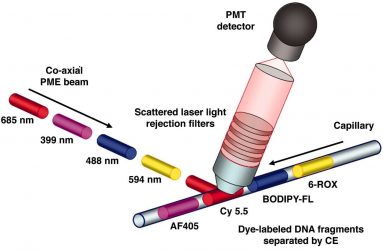
Fluorescence spectroscopy is an optical method used to detect and quantify molecules based on their light emission following excitation. It offers high sensitivity, real-time feedback, and molecular specificity, making it foundational to applications in genomics, diagnostics, biosensing, and imaging. From four-color DNA sequencing to targeted theranostics, fluorescence has been widely adopted for both basic research and clinical workflows. The technique has been adapted for use in multimodal diagnostic platforms and embedded within contrast agents for high-resolution imaging. It also plays a role in environmental monitoring and implantable sensors. Work in this area has supported innovations in spectral discrimination, integrated fluorescence into protein-based imaging agents, and extended its use into in vivo physiological monitoring through carbon nanotube–based nanosensors and a fiber-optic benchtop platform for scalable fluorescence detection.

Optical Coherence Tomography

Optical Coherence Tomography

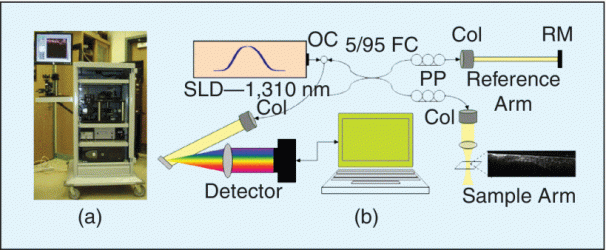
Optical coherence tomography (OCT) is a high-resolution, depth-resolved imaging technique that uses low-coherence interferometry and near-infrared light to generate real-time cross-sectional images of tissue. Known for its precision and label-free contrast, OCT has been widely adopted in ophthalmology, oncology, and image-guided surgery. Its ability to resolve microstructure noninvasively has expanded its use in intraoperative assessment, tissue staging, and diagnostic triage. The field continues to evolve through miniaturized systems, functional extensions, and targeted contrast strategies. Research has supported the development of real-time OCT platforms designed for surgical settings and the use of magnetically and optically active protein microspheres for enhanced imaging. These systems have been applied to tumor margin and lymph node assessment, demonstrating OCT’s potential as a tool for intraoperative diagnostics and rapid decision-making.

Transfusion Medicine

Transfusion Medicine

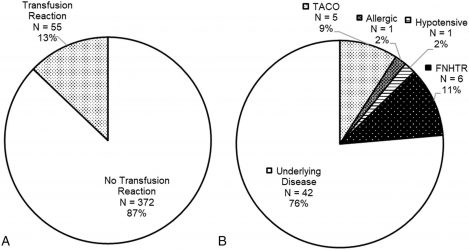
Transfusion medicine is a clinical and laboratory discipline focused on the safe administration of blood and its components, encompassing immunohematology, product selection, transfusion reactions, and data-driven stewardship. Its role expanded during the COVID-19 pandemic with the emergence of convalescent plasma (CCP) as a potential therapy. Investigations characterized neutralizing antibody responses in donor plasma and evaluated CCP efficacy through propensity-matched trials in severe COVID-19. Additional research quantified adverse event rates following CCP transfusion, informing risk-benefit frameworks and institutional practice. Studies also examined pediatric O-negative red cell utilization across hospitals, revealing variation and opportunities for improved allocation. These contributions—conducted in collaboration with Mount Sinai and the New York State Department of Health—highlight the integration of immunologic profiling, transfusion safety surveillance, and clinical informatics to optimize transfusion practices and support pandemic response.

O blood usage trends in the pediatric population 2015–2019 A multi-institutional analysis

O blood usage trends in the pediatric population 2015–2019 A multi-institutional analysis

Background
In 2019, AABB released the bulletin “Recommendations on the Use of Group O Red Blood Cells” in which the recommendations about pediatric and neonatal blood transfusions were limited. Eight U.S. pediatric hospitals sought to determine trends in pediatric group O blood use and clarify which pediatric populations receive group O blood transfusions despite a non-group O blood type.

Study Design and Methods
Eight U.S.-based institutions serving a pediatric population provided data from their respective Electronic Health Records. Data submitted included unit blood type, patient blood type, patient age, sex, and discharge diagnosis. If the discharge diagnosis was not available, the admitting diagnosis was substituted. GPT-4 was used to sort diagnoses into categories for analysis. Data were visualized using a series of alluvial plots, spaghetti plots, and tables. Tables were stratified on variables of interest (blood type, age, sex, diagnosis) to explore O blood type distribution among different patient populations.

Results
A total of 142,227 discrete transfusion events were identified, of which 52,731 recipients were non-O blood type. Overall, 35,575 transfusion events of O blood went to A, B, or AB blood type recipients (67%). Additionally, 26% of Rh(D) negative transfusion events went to recipients who were Rh(D) positive. Top diagnostic categories for receiving O blood type were cardiovascular disorders (22%) and sickle cell anemia (15%).

Discussion
This study highlights opportunities to address O blood supply challenges by identifying where non-O blood may be utilized safely in the vulnerable pediatric population.

Nine Diagnostics Joins American Cancer Society’s BrightEdge Entrepreneurs Program

Nine Diagnostics Joins American Cancer Society’s BrightEdge Entrepreneurs Program

Nine Diagnostics, a leader in AI-enabled nanosensor technology, has been selected to participate in the American Cancer Society’s BrightEdge Entrepreneurs Program, a highly selective initiative designed to accelerate the most promising oncology-focused startups. This selection marks another significant milestone for Nine Diagnostics as it continues to drive innovation in cancer treatment selection, dosing, optimization, and monitoring.