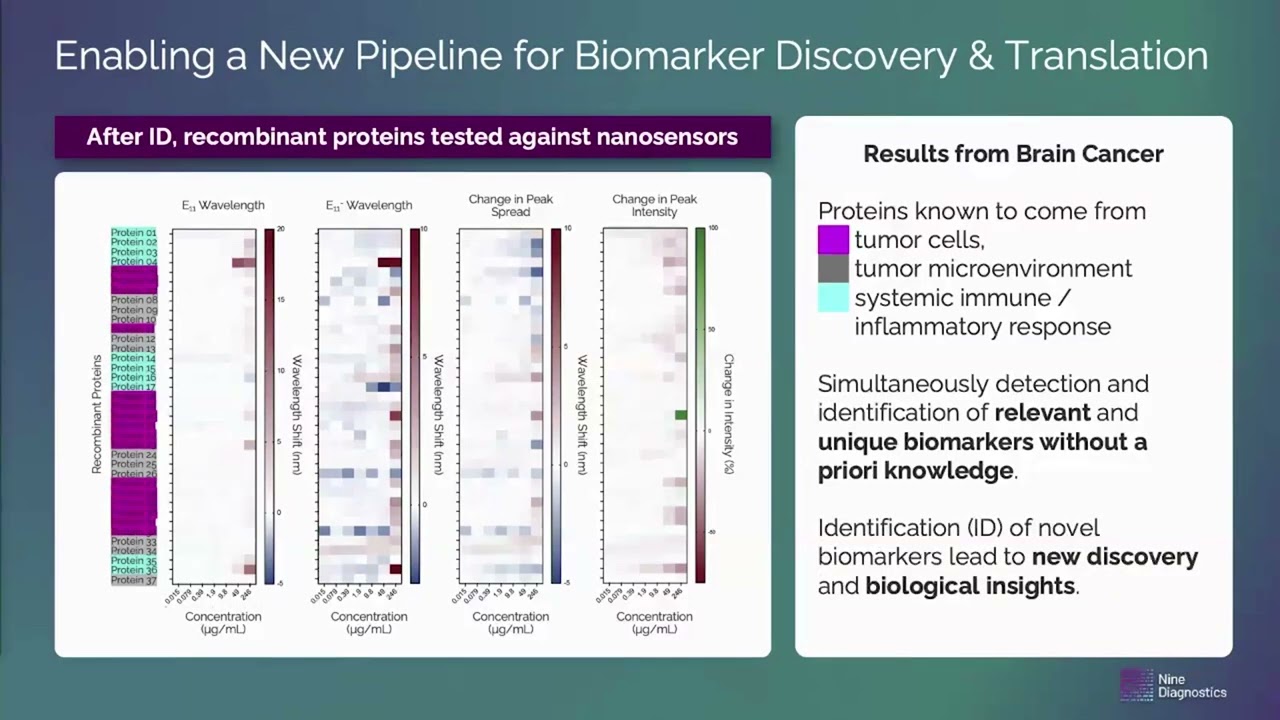
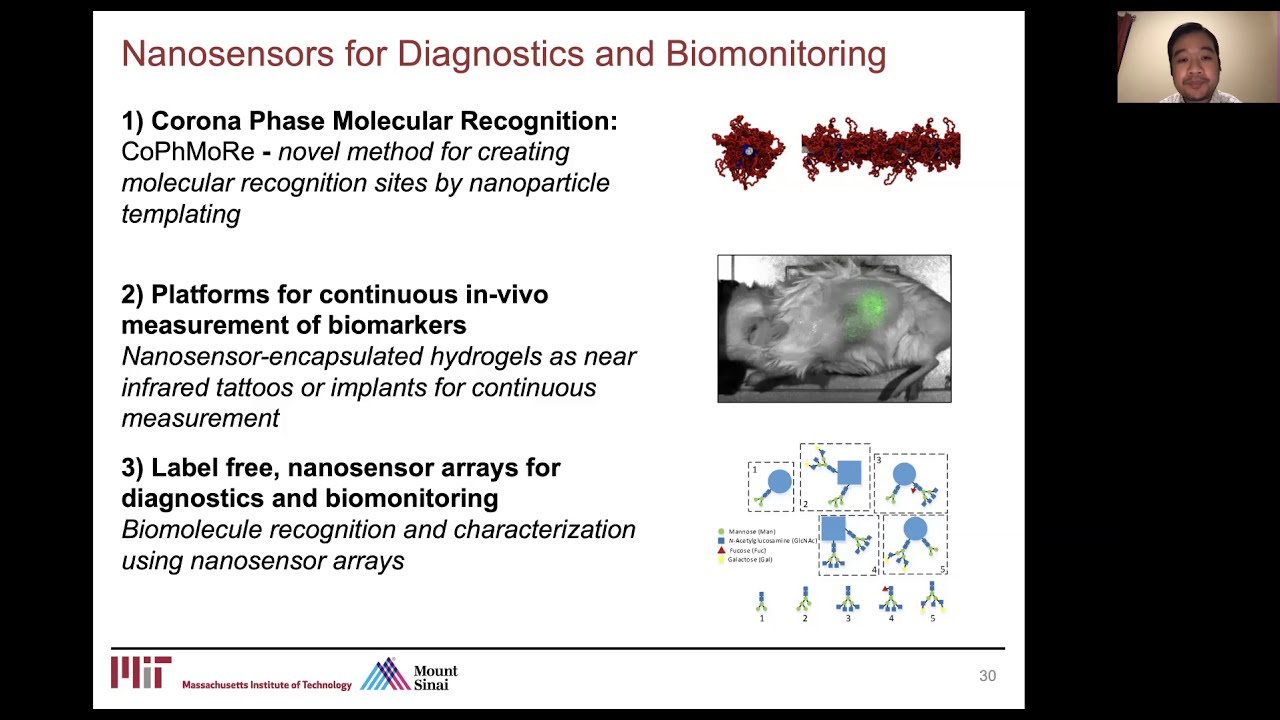
2025 MIT Health Science Forum: Treatment Effectiveness, New Biology Using AI – Enabled Nanosensor Technology (MIT Industrial Liaison Program – Startup Exchange)

Determining Treatment Effectiveness, Discovering New Biology Using AI – Enabled Nanosensor Technology
Freddy Nguyen
CEO & Co-Founder, Nine Diagnostics
See more of the 2025 MIT Health Science Forum here: https://ilp.mit.edu/Health25
O blood usage trends in the pediatric population 2015–2019 A multi-institutional analysis

Background
In 2019, AABB released the bulletin “Recommendations on the Use of Group O Red Blood Cells” in which the recommendations about pediatric and neonatal blood transfusions were limited. Eight U.S. pediatric hospitals sought to determine trends in pediatric group O blood use and clarify which pediatric populations receive group O blood transfusions despite a non-group O blood type.
Study Design and Methods
Eight U.S.-based institutions serving a pediatric population provided data from their respective Electronic Health Records. Data submitted included unit blood type, patient blood type, patient age, sex, and discharge diagnosis. If the discharge diagnosis was not available, the admitting diagnosis was substituted. GPT-4 was used to sort diagnoses into categories for analysis. Data were visualized using a series of alluvial plots, spaghetti plots, and tables. Tables were stratified on variables of interest (blood type, age, sex, diagnosis) to explore O blood type distribution among different patient populations.
Results
A total of 142,227 discrete transfusion events were identified, of which 52,731 recipients were non-O blood type. Overall, 35,575 transfusion events of O blood went to A, B, or AB blood type recipients (67%). Additionally, 26% of Rh(D) negative transfusion events went to recipients who were Rh(D) positive. Top diagnostic categories for receiving O blood type were cardiovascular disorders (22%) and sickle cell anemia (15%).
Discussion
This study highlights opportunities to address O blood supply challenges by identifying where non-O blood may be utilized safely in the vulnerable pediatric population.
Nine Diagnostics Joins American Cancer Society’s BrightEdge Entrepreneurs Program

Nine Diagnostics, a leader in AI-enabled nanosensor technology, has been selected to participate in the American Cancer Society’s BrightEdge Entrepreneurs Program, a highly selective initiative designed to accelerate the most promising oncology-focused startups. This selection marks another significant milestone for Nine Diagnostics as it continues to drive innovation in cancer treatment selection, dosing, optimization, and monitoring.
Nine Diagnostics Selected for Merck Digital Sciences Studio Cohort 3

Arnold and Mabel Beckman Foundation – March 30, 2017
2017 Beckman Postdoctoral Fellow
Massachusetts Institute of Technology
Research: Development of nanosensors for in-vivo monitoring of cancer therapeutics
Freddy Nguyen, MD/PhD and Nine Diagnostics Win Novo Nordisk Golden Ticket at Pitch Event

Arnold and Mabel Beckman Foundation – March 30, 2017
2017 Beckman Postdoctoral Fellow
Massachusetts Institute of Technology
Research: Development of nanosensors for in-vivo monitoring of cancer therapeutics
Nine Diagnostics Wins Novo Nordisk Golden Ticket for LabCentral Residency

Arnold and Mabel Beckman Foundation – March 30, 2017
2017 Beckman Postdoctoral Fellow
Massachusetts Institute of Technology
Research: Development of nanosensors for in-vivo monitoring of cancer therapeutics
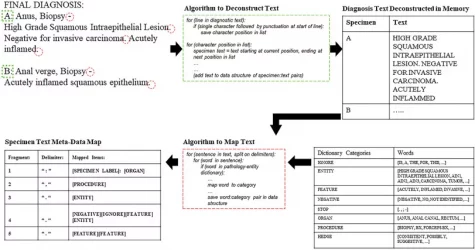
An Accessible, Efficient, and Accurate Natural Language Processing Method for Extracting Diagnostic Data from Pathology Reports

Analysis of diagnostic information in pathology reports for the purposes of clinical or translational research and quality assessment/control often requires manual data extraction, which can be laborious, time-consuming, and subject to mistakes.
Objective
We sought to develop, employ, and evaluate a simple, dictionary- and rule-based natural language processing (NLP) algorithm for generating searchable information on various types of parameters from diverse surgical pathology reports.
Design
Data were exported from the pathology laboratory information system (LIS) into extensible markup language (XML) documents, which were parsed by NLP-based Python code into desired data points and delivered to Excel spreadsheets. Accuracy and efficiency were compared to a manual data extraction method with concordance measured by Cohen’s κ coefficient and corresponding P values.
Results
The automated method was highly concordant (90-100%, P<.001) with excellent inter-observer reliability (Cohen’s κ: 0.86-1.0) compared to the manual method in 3 clinicopathologic research scenarios, including squamous dysplasia presence and grade in anal biopsies, epithelial dysplasia grade and location in colonoscopic surveillance biopsies, and adenocarcinoma grade and amount in prostate core biopsies. Significantly, the automated method was 24-39 times faster and inherently contained links for each diagnosis to additional variables such as patient age, location, etc., which would require additional manual processing time.
Conclusions
A simple, flexible, and scaleable NLP-based platform can be used to correctly, safely, and quickly extract and deliver linked data from pathology reports into searchable spreadsheets for clinical and research purposes.
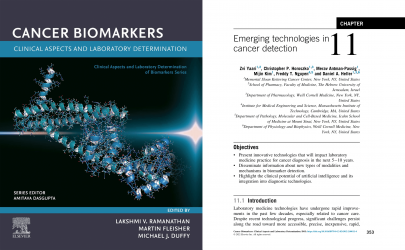
Emerging technologies in cancer detection

Exciting, modern technologies for cancer detection are under development in academic and industrial laboratories worldwide. This chapter provides a synopsis of technologies reaching greater importance as they advance toward clinical practice. These methods include significant advances in current methods as well as fundamentally new platforms. We place a special emphasis on point-of-care technologies for use in clinical settings as well as novel methods for use as at-home measurements and wearable devices. We also provide a synopsis on the involvement of artificial intelligence-based data analytics such as machine learning algorithms in both existing and developing assessments.
wePool.AI

wePool AI provides a computational testing strategy that leverages Artificial Intelligence to predict a subject’s probability of testing positive for COVID-19, and uses it to segment test populations into distinct pools.
Role: Advisor
2020 Beckman Symposium: From biochemical nanosensors to imaging to informatics to COVID-19 convalescent plasma – developing diagnostics and therapies for clinical medicine

2017 Arnold O. Beckman Postdoctoral Fellow Freddy Nguyen, MD, PhD from MIT, presents his research at the 2020 Beckman Symposium.
Transfusion reactions associated with COVID-19 convalescent plasma therapy for SARS-CoV-2

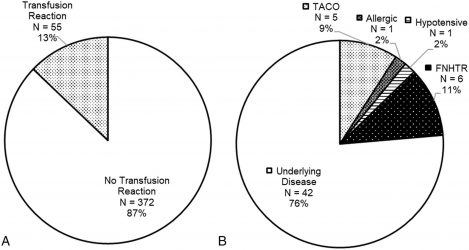
Background: Convalescent plasma (CP) for treatment of severe acute respiratory syndrome coronavirus 2 (SARS‐CoV‐2) has shown preliminary signs of effectiveness in moderate to severely ill patients in reducing mortality. While studies have demonstrated a low risk of serious adverse events, the comprehensive incidence and nature of the spectrum of transfusion reactions to CP is unknown. We retrospectively examined 427 adult inpatient CP transfusions to determine incidence and types of reactions, as well as clinical parameters and risk factors associated with transfusion reactions. Study Design and Methods: Retrospective analysis was performed for 427 transfusions to 215 adult patients with coronavirus 2019 (COVID‐19) within the Mount Sinai Health System, through the US Food and Drug Administration emergency investigational new drug and the Mayo Clinic Expanded Access Protocol to Convalescent Plasma approval pathways. Transfusions were blindly evaluated by two reviewers and adjudicated by a third reviewer in discordant cases. Patient demographics and clinical and laboratory parameters were compared and analyzed. Results: Fifty‐five reactions from 427 transfusions were identified (12.9% incidence), and 13 were attributed to transfusion (3.1% incidence). Reactions were classified as underlying COVID‐19 (76%), febrile nonhemolytic (10.9%), transfusion‐associated circulatory overload (9.1%), and allergic (1.8%) and hypotensive (1.8%) reactions. Statistical analysis identified increased transfusion reaction risk for ABO blood group B or Sequential Organ Failure Assessment scores of 12 to 13, and decreased risk within the age group of 80 to 89 years. Conclusion: Our findings support the use of CP as a safe, therapeutic option from a transfusion reaction perspective, in the setting of COVID‐19. Further studies are needed to confirm the clinical significance of ABO group B, age, and predisposing disease severity in the incidence of transfusion reaction events.
Neutralizing Antibody Responses in COVID-19 Convalescent Sera

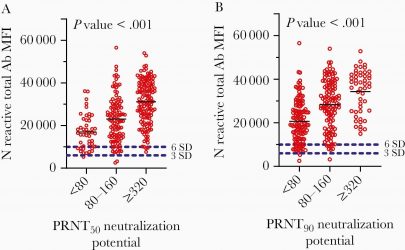
Passive transfer of antibodies from COVID-19 convalescent patients is being used as an experimental treatment for eligible patients with SARS-CoV-2 infections. The United States Food and Drug Administration’s (FDA) guidelines for convalescent plasma initially recommended target antibody titers of 160. We evaluated SARS-CoV-2 neutralizing antibodies in sera from recovered COVID-19 patients using plaque reduction neutralization tests (PRNT) at moderate (PRNT50) and high (PRNT90) stringency thresholds. We found that neutralizing activity significantly increased with time post symptom onset (PSO), reaching a peak at 31–35 days PSO. At this point, the number of sera having neutralizing titers of at least 160 was approximately 93% (PRNT50) and approximately 54% (PRNT90). Sera with high SARS-CoV-2 antibody levels (>960 enzyme-linked immunosorbent assay titers) showed maximal activity, but not all high-titer sera contained neutralizing antibody at FDA recommended levels, particularly at high stringency. These results underscore the value of serum characterization for neutralization activity.