Skip to content
Freddy T. Nguyen, MD, PhD
Research Fellow @ Massachusetts Institute of Technology
CEO, Co-Founder @ Nine Diagnostics
Google Scholar
PubMed
ResearchGate
ORCID
Dimensions.AI
Google Scholar
PubMed
ResearchGate
ORCID
Dimensions.AI
X-twitter
Linkedin
Instagram
Facebook
Threads
Home
About
News
Media
Press
Mentions
Publications
Peer-Reviewed
Reviews
Patents
White Papers
Innovation
Patents
Nine Diagnostics
Prevented Health
MIT Healthcare Innovation
MIT Hacking Racism Challenge
MIT COVID-19 Challenge
MIT Hacking Medicine
Project Prana Foundation
wePool.AI
Physician Scientist
American Physician Scientists Association
People
Home
About
News
Media
Press
Mentions
Publications
Peer-Reviewed
Reviews
Patents
White Papers
Innovation
Patents
Nine Diagnostics
Prevented Health
MIT Healthcare Innovation
MIT Hacking Racism Challenge
MIT COVID-19 Challenge
MIT Hacking Medicine
Project Prana Foundation
wePool.AI
Physician Scientist
American Physician Scientists Association
People
Photonics
Fluorescence Spectroscopy
Optical Coherence Tomography
Raman Spectroscopy
Photonics
Fluorescence Spectroscopy
Optical Coherence Tomography
Raman Spectroscopy
Nanotechnology
Carbon Nanotubes
Contrast Agents
Nanotechnology
Carbon Nanotubes
Contrast Agents
Medicine
Cancer
Transfusion Medicine
Medicine
Cancer
Transfusion Medicine
Physician-scientist developing biophotonics and nano technologies for functional precision medicine to provide the right treatment to the right patient at the right time.
Innovation
wePool.AI
December 31, 2021
MIT Hacking Racism Challenge
December 31, 2021
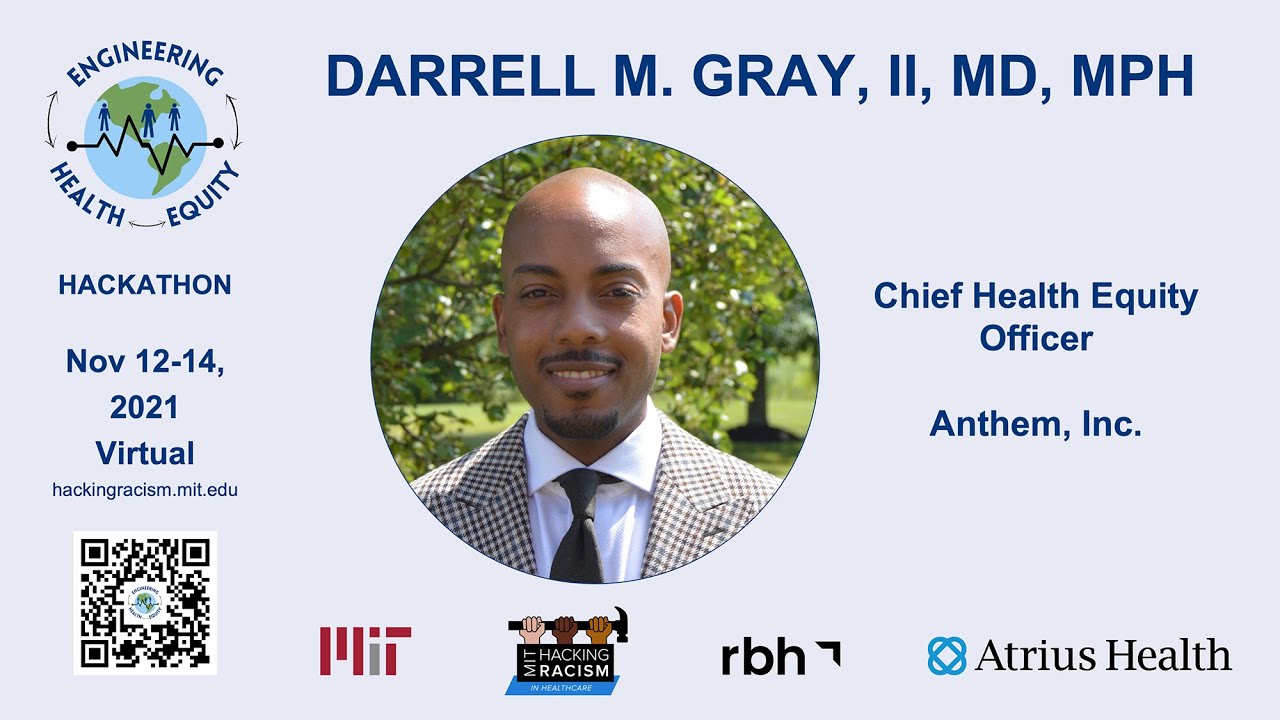
MIT Hacking Racism Challenge in Healthcare: Engineering Health Equity 2021 – Conversation with Darrell M. Gray II, MD, MPH
November 12, 2021
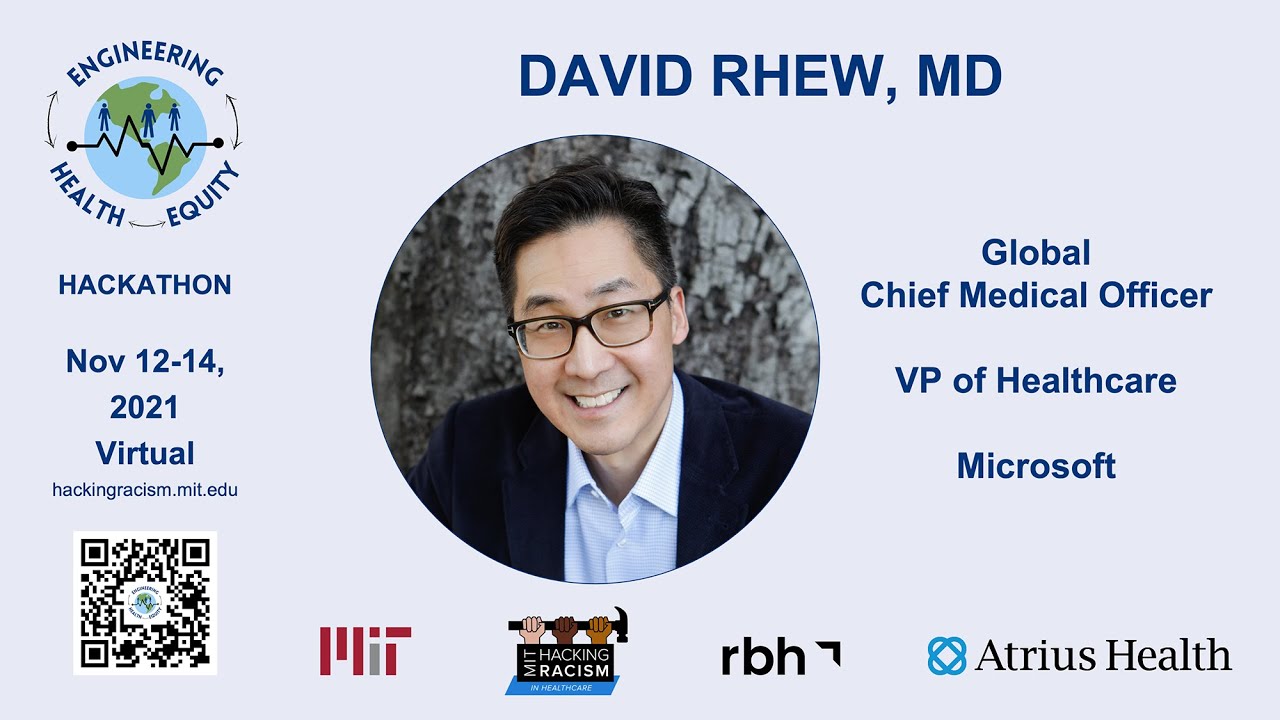
MIT Hacking Racism Challenge in Healthcare: Engineering Health Equity 2021 – Conversation with David Rhew, MD
November 12, 2021
MIT Hacking Racism Challenge in Healthcare: Engineering Health Equity 2021 – Conversation with Gil Addo, MBA
November 12, 2021
MIT Hacking Racism Challenge in Healthcare: Engineering Health Equity 2021 – Kickoff
November 12, 2021
MIT Hacking Racism Challenge in Healthcare: Engineering Health Equity 2021 – Hack 101 Nuts & Bolts
November 2, 2021
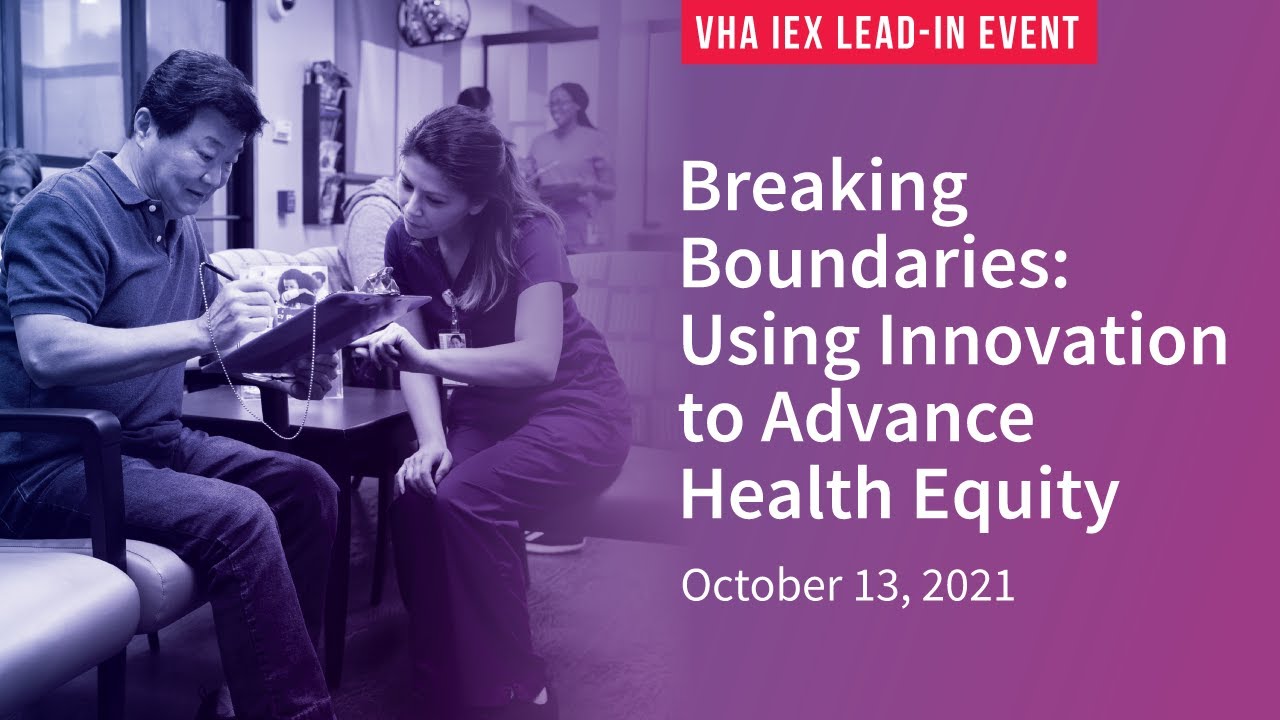
Veterans Health Administration iEX 2021: Breaking Boundaries: Using Innovation to Advance Health Equity
October 13, 2021
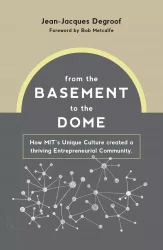
From the Basement to the Dome – How MIT’s Unique Culture Created a Thriving Entrepreneurial Community
September 7, 2021
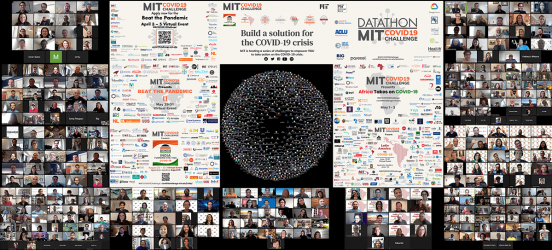
Forbes: How Covid-19 Changed MIT’s Global Hackathon Program And Others For The Better, Forever
September 1, 2021
The Catalyzing Innovation Podcast Episode 5 – Freddy Nguyen
April 11, 2021
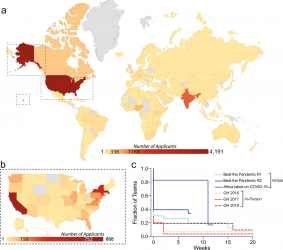
Nature Digital Medicine: Rapid crowdsourced innovation for COVID-19 response and economic growth
February 9, 2021
Previous
Page
1
Page
2
Page
3
Page
4
Page
5
Page
6
Page
7
Next