Project Prana Foundation

Project Prana Foundation was born with the mission to innovate with a holistic approach that was cost-effective and patient-centered.
The iSAVE (Individualized System for Augmenting Ventilator Efficacy) represented more than a collaborative effort to solve the immeidate challenge at hand. This innovation represents a deeper motivation to address inequities and inadequacies in healthcare.
Role: Advisor
wePool.AI

wePool AI provides a computational testing strategy that leverages Artificial Intelligence to predict a subject’s probability of testing positive for COVID-19, and uses it to segment test populations into distinct pools.
Role: Advisor
Forbes: How Covid-19 Changed MIT’s Global Hackathon Program And Others For The Better, Forever

Forbes – Michelle Greenwald – September 1, 2021
Engineers often state that constraints foster creativity, and the adage “necessity is the mother of invention” was never more true than after COVID-19 hit. MIT’s healthcare hackathon program, pioneered by MIT Hacking Medicine, was forced to pivot quickly from 100% in person, to 100% virtual on a global level. In the process, lessons were learned that can permanently improve hackathon processes in other sectors.
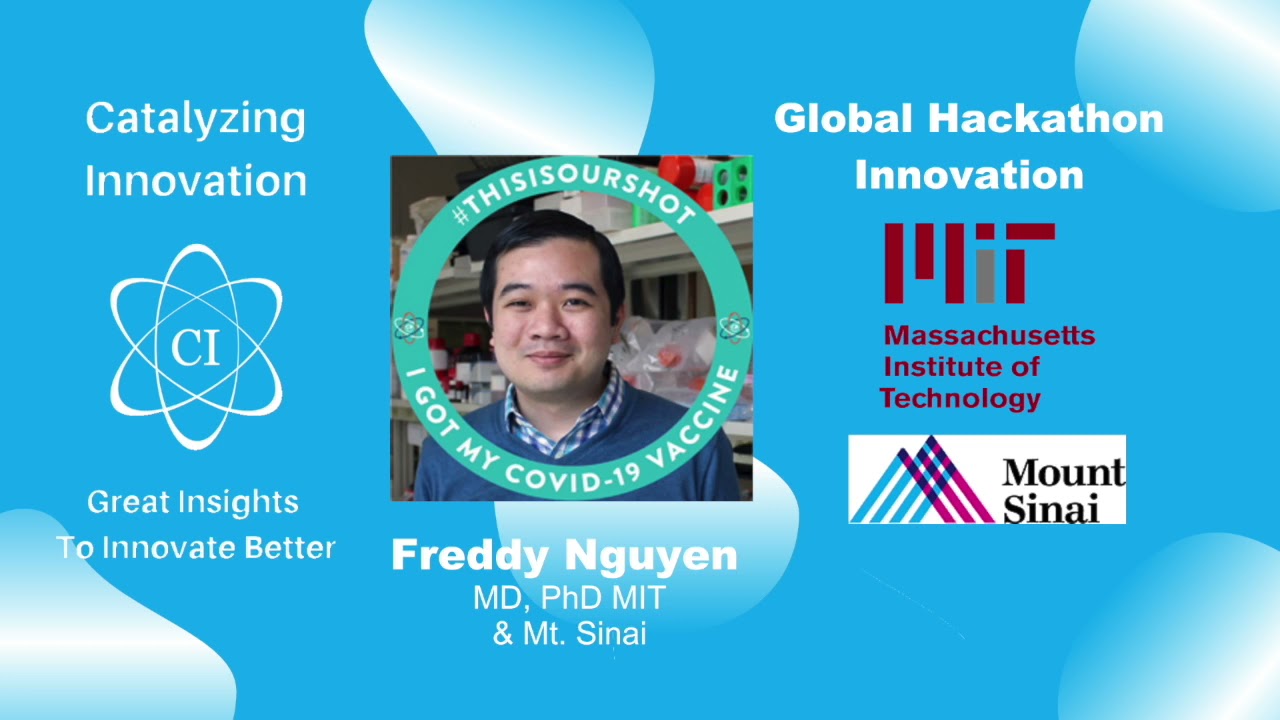
Freddy Nguyen, Former Co-Director of MIT Hacking Medicine, a physician, scientist, bioengineer, physical chemist, and innovator, who works currently with both MIT and Mount Sinai, shared modifications and improvements to the program design and launch of the MIT COVID-19 Challenge in response to COVID constraints, many of which will endure. Global hackathons across sectors can benefit from his team’s experiments and learnings.
The Catalyzing Innovation Podcast Episode 5 – Freddy Nguyen

A conversation between host Michelle Greenwald and Freddy Nguyen.
Nature Digital Medicine: Rapid crowdsourced innovation for COVID-19 response and economic growth

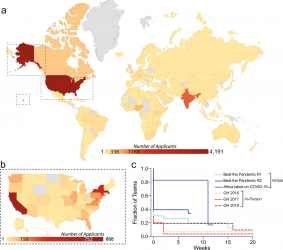
The COVID-19 pandemic has profoundly affected life worldwide. Governments have been faced with the formidable task of implementing public health measures, such as social distancing, quarantines, and lockdowns, while simultaneously supporting a sluggish economy and stimulating research and development (R&D) for the pandemic. Catalyzing bottom-up entrepreneurship is one method to achieve this. Home-grown efforts by citizens wishing to contribute their time and resources to help have sprouted organically, with ideas shared widely on the internet. We outline a framework for structured, crowdsourced innovation that facilitates collaboration to tackle real, contextualized problems. This is exemplified by a series of virtual hackathon events attracting over 9000 applicants from 142 countries and 49 states. A hackathon is an event that convenes diverse individuals to crowdsource solutions around a core set of predetermined challenges in a limited amount of time. A consortium of over 100 partners from across the healthcare spectrum and beyond defined challenges and supported teams after the event, resulting in the continuation of at least 25% of all teams post-event. Grassroots entrepreneurship can stimulate economic growth while contributing to broader R&D efforts to confront public health emergencies.
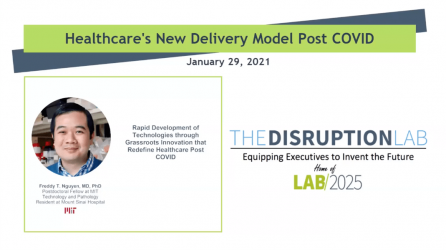
The Disruption Lab: Rapid Development of Technologies through Grassroots Innovation that Redefine Healthcare Post COVID

The Disruption Lab – Rapid Development of Technologies through Grassroots Innovation that Redefine Healthcare Post COVID | Freddy Nguyen, MD, PhD | MIT, Mount Sinai | 2021-01-29 https://thedisruptionlab.com/rapid-innovation-freddy-nguyen-md-phd-mit-mount-sinai-2021-01-29/
MIT COVID-19 Challenge

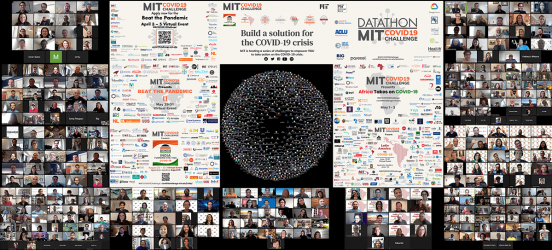
The MIT COVID-19 Challenge harnessed the passion, enthusiasm and expertise of thousands of innovators world-wide via a series of virtual hackathons that resulted in initiatives that address the many challenges related to COVID-19. The MIT COVID-19 Challenge was launched in March 2020 at the beginning of the COVID-19 pandemic. This initiative was built by members of the MIT community with the foundational support of the MIT Innovation Initiative, Martin Trust Center for Entrepreneurship, and MIT Hacking Medicine.
Role: Co-Founder (2020), Co-Director
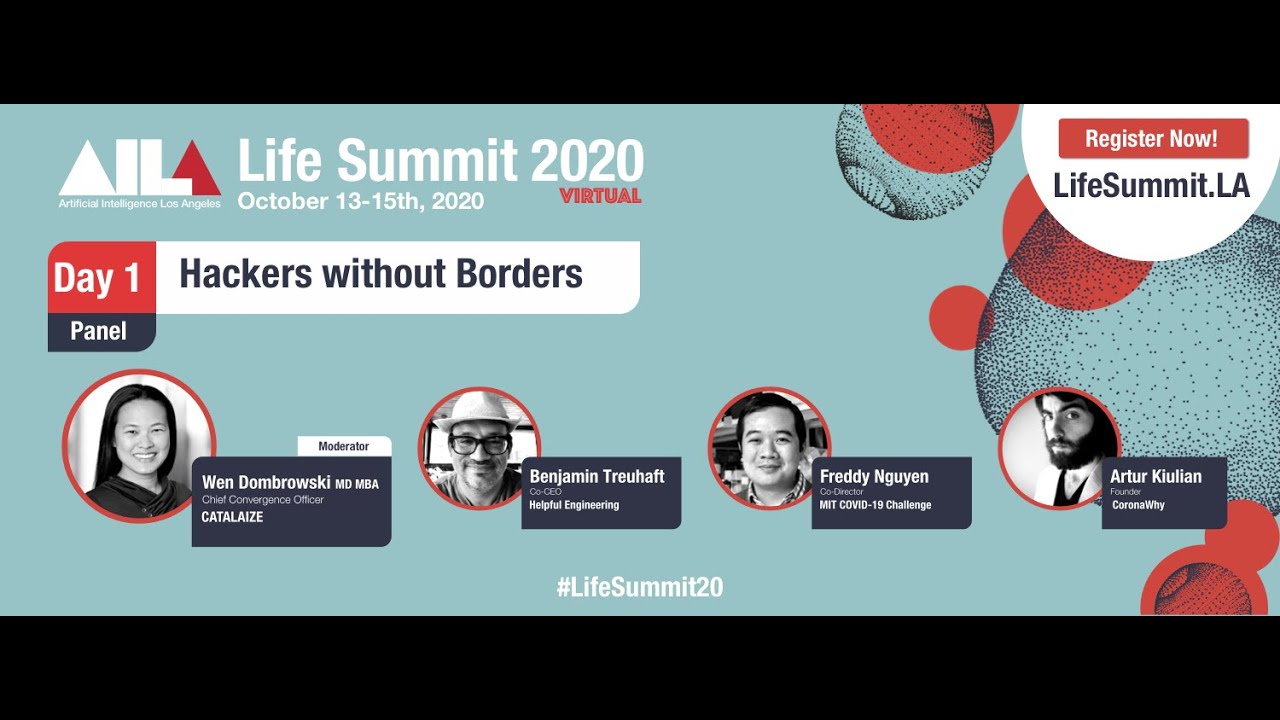
Hackers Without Borders | AI LA Life Summit 2020

Hackers Without Borders | AI LA Life Summit 2020 Hackers Without Borders | AI LA Life Summit 2020
MIT COVID-19 Challenge: Hack4theFuture – Awards
MIT COVID-19 Challenge: Hack4theFuture – Kickoff
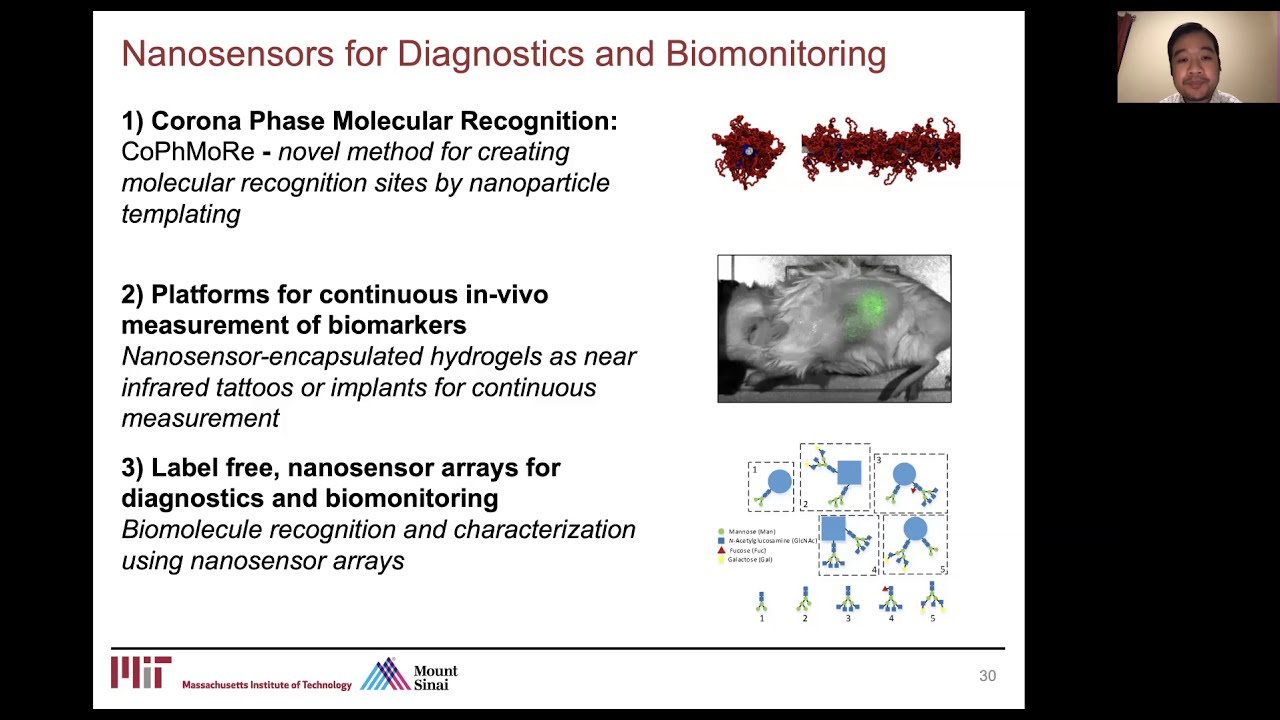
2020 Beckman Symposium: From biochemical nanosensors to imaging to informatics to COVID-19 convalescent plasma – developing diagnostics and therapies for clinical medicine

2017 Arnold O. Beckman Postdoctoral Fellow Freddy Nguyen, MD, PhD from MIT, presents his research at the 2020 Beckman Symposium.
Transfusion reactions associated with COVID-19 convalescent plasma therapy for SARS-CoV-2

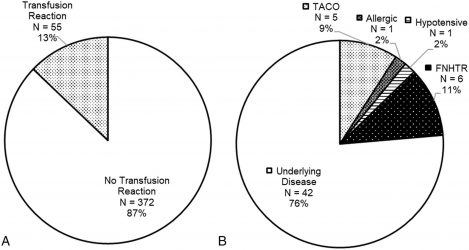
Background: Convalescent plasma (CP) for treatment of severe acute respiratory syndrome coronavirus 2 (SARS‐CoV‐2) has shown preliminary signs of effectiveness in moderate to severely ill patients in reducing mortality. While studies have demonstrated a low risk of serious adverse events, the comprehensive incidence and nature of the spectrum of transfusion reactions to CP is unknown. We retrospectively examined 427 adult inpatient CP transfusions to determine incidence and types of reactions, as well as clinical parameters and risk factors associated with transfusion reactions. Study Design and Methods: Retrospective analysis was performed for 427 transfusions to 215 adult patients with coronavirus 2019 (COVID‐19) within the Mount Sinai Health System, through the US Food and Drug Administration emergency investigational new drug and the Mayo Clinic Expanded Access Protocol to Convalescent Plasma approval pathways. Transfusions were blindly evaluated by two reviewers and adjudicated by a third reviewer in discordant cases. Patient demographics and clinical and laboratory parameters were compared and analyzed. Results: Fifty‐five reactions from 427 transfusions were identified (12.9% incidence), and 13 were attributed to transfusion (3.1% incidence). Reactions were classified as underlying COVID‐19 (76%), febrile nonhemolytic (10.9%), transfusion‐associated circulatory overload (9.1%), and allergic (1.8%) and hypotensive (1.8%) reactions. Statistical analysis identified increased transfusion reaction risk for ABO blood group B or Sequential Organ Failure Assessment scores of 12 to 13, and decreased risk within the age group of 80 to 89 years. Conclusion: Our findings support the use of CP as a safe, therapeutic option from a transfusion reaction perspective, in the setting of COVID‐19. Further studies are needed to confirm the clinical significance of ABO group B, age, and predisposing disease severity in the incidence of transfusion reaction events.