
Nature Digital Medicine: Grass-roots entrepreneurship complements traditional top-down innovation in lung and breast cancer

The majority of biomedical research is funded by public, governmental, and philanthropic grants. These initiatives often shape the avenues and scope of research across disease areas. However, the prioritization of disease-specific funding is not always reflective of the health and social burden of each disease. We identify a prioritization disparity between lung and breast cancers, whereby lung cancer contributes to a substantially higher socioeconomic cost on society yet receives significantly less funding than breast cancer. Using search engine results and natural language processing (NLP) of Twitter tweets, we show that this disparity correlates with enhanced public awareness and positive sentiment for breast cancer. Interestingly, disease-specific venture activity does not correlate with funding or public opinion. We use outcomes from recent early-stage innovation events focused on lung cancer to highlight the complementary mechanism by which bottom-up “grass-roots” initiatives can identify and tackle under-prioritized conditions.
MIT Hacking Medicine

The mission of MIT Hacking Medicine is to infect, energize, and empower a diverse, global community in healthcare entrepreneurship and innovation to scale medicine to attack and solve healthcare problems.
Role: Co-Director (2018-2020), Research Group Lead (2018-Present)
MIT Hacking Racism Challenge

The mission of MIT Hacking Racism Challenge is to create a space for collaboration among those with diverse backgrounds to dismantle racial injustice in healthcare delivery and address the social determinants of health. Through the various tracks we hope to shine a light on current structures that propagate racism and implement sustainable solutions to promote racial equity. These hackathons are meant to pave the way for more extensive and exhaustive work across all facets of society. In order to build a better tomorrow, we begin our work today.
Role: Co-Founder (2020), Co-Director
MIT Hacking Racism Challenge in Healthcare: Engineering Health Equity 2021 – Conversation with Darrell M. Gray II, MD, MPH
MIT Hacking Racism Challenge in Healthcare: Engineering Health Equity 2021 – Conversation with David Rhew, MD
MIT Hacking Racism Challenge in Healthcare: Engineering Health Equity 2021 – Conversation with Gil Addo, MBA
MIT Hacking Racism Challenge in Healthcare: Engineering Health Equity 2021 – Kickoff
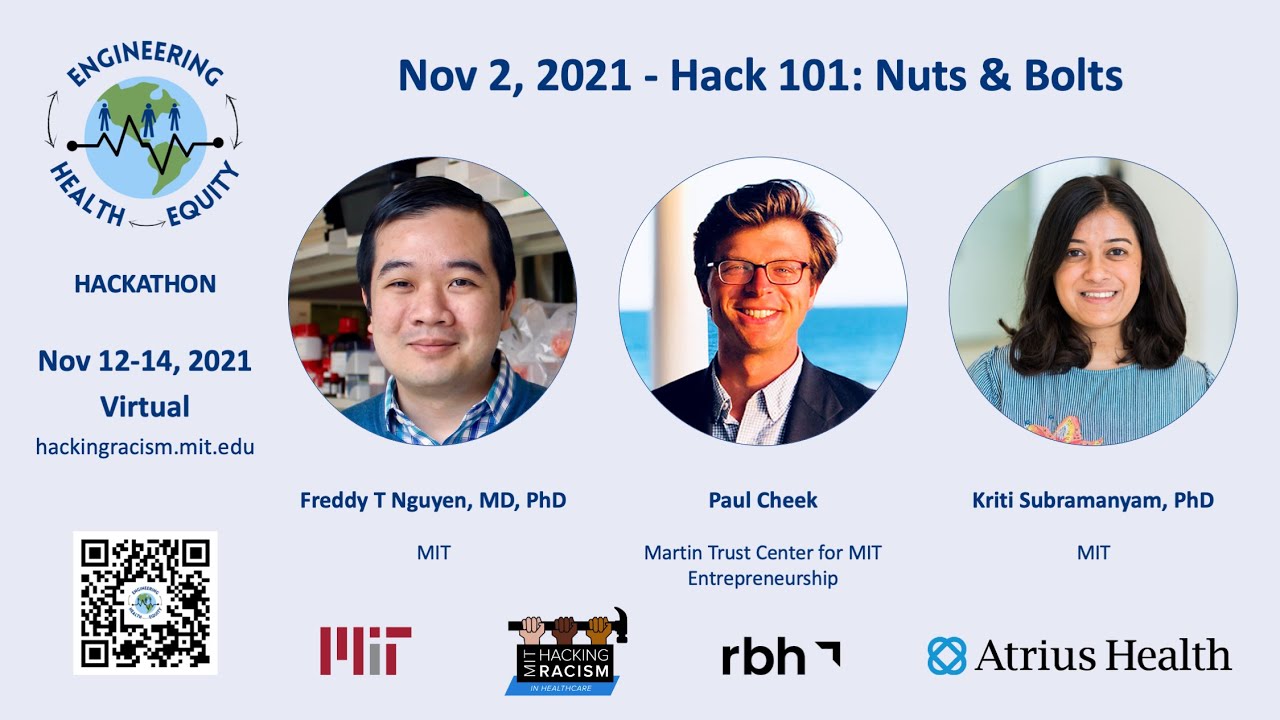
MIT Hacking Racism Challenge in Healthcare: Engineering Health Equity 2021 – Hack 101 Nuts & Bolts
Veterans Health Administration iEX 2021: Breaking Boundaries: Using Innovation to Advance Health Equity
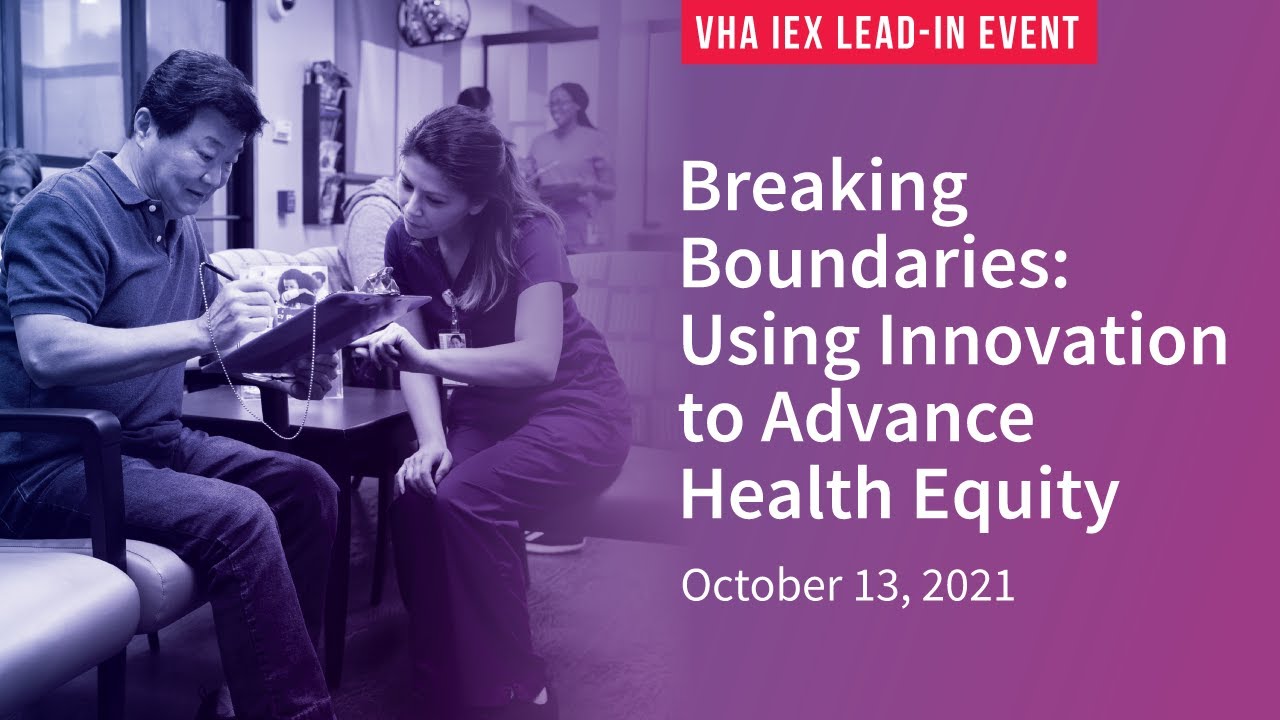
The Breaking Boundaries: Using Innovation to Advance Health Equity panel takes a look at how innovation can advance health equity and create the conditions in which everyone has an equal opportunity to live longer, healthier lives. On October 13, 2021, hear from innovators who champion health equity by addressing inequalities in their community and within VA.
From the Basement to the Dome – How MIT’s Unique Culture Created a Thriving Entrepreneurial Community

Forbes: How Covid-19 Changed MIT’s Global Hackathon Program And Others For The Better, Forever

Forbes – Michelle Greenwald – September 1, 2021
Engineers often state that constraints foster creativity, and the adage “necessity is the mother of invention” was never more true than after COVID-19 hit. MIT’s healthcare hackathon program, pioneered by MIT Hacking Medicine, was forced to pivot quickly from 100% in person, to 100% virtual on a global level. In the process, lessons were learned that can permanently improve hackathon processes in other sectors.
Freddy Nguyen, Former Co-Director of MIT Hacking Medicine, a physician, scientist, bioengineer, physical chemist, and innovator, who works currently with both MIT and Mount Sinai, shared modifications and improvements to the program design and launch of the MIT COVID-19 Challenge in response to COVID constraints, many of which will endure. Global hackathons across sectors can benefit from his team’s experiments and learnings.
The Catalyzing Innovation Podcast Episode 5 – Freddy Nguyen
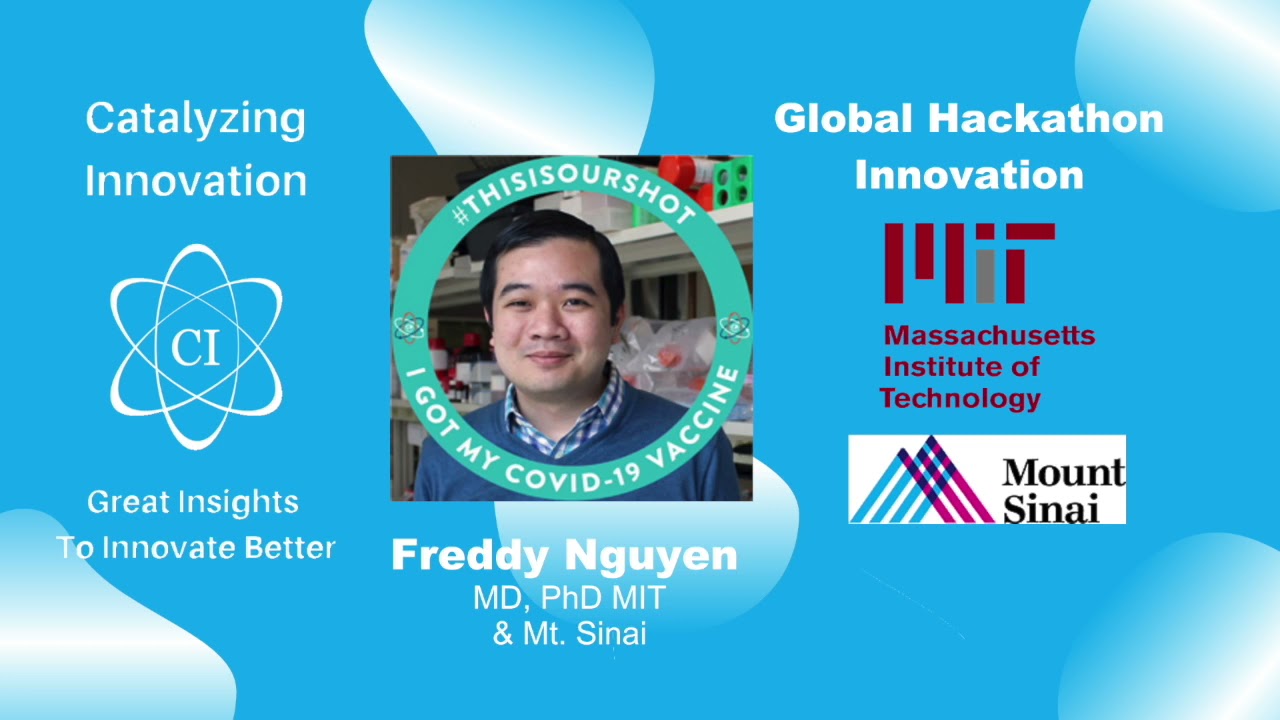
A conversation between host Michelle Greenwald and Freddy Nguyen.