AI LA Life Summit 2020 | Hackers Without Borders

AI LA Life Summit 2020 | Hackers Without Borders

Artificial Intelligence Los Angeles Community

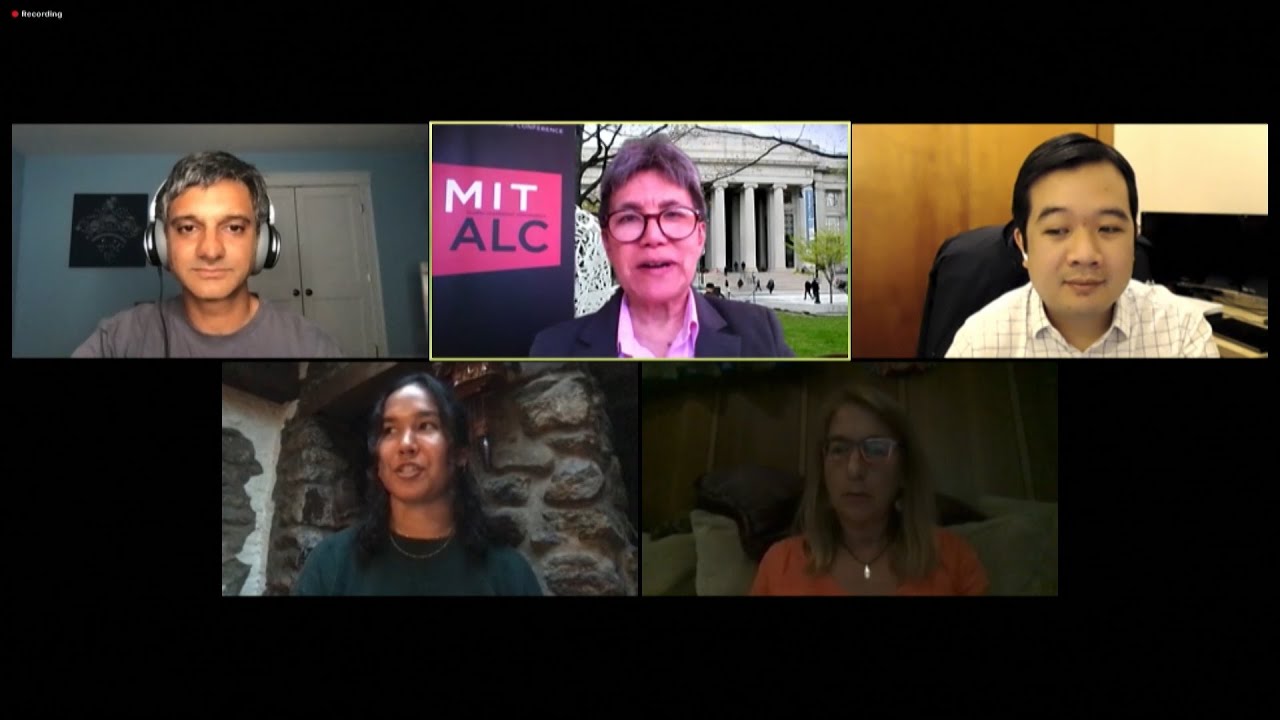
Learn how socially-conscious technology organizations are galvanizing solutions for multi-faceted challenges facing humanity in a pandemic that has no borders.

Freddy Nguyen, MD, PhD – Co-Director of MIT COVID-19 Challenge
Artur Kiulian Founder, CoronaWhy.org
Ben Treuhaft CO-CEO Helpful Engineering

Moderated by: Wen Dombrowski MD MBA, Cofounder Catalaize

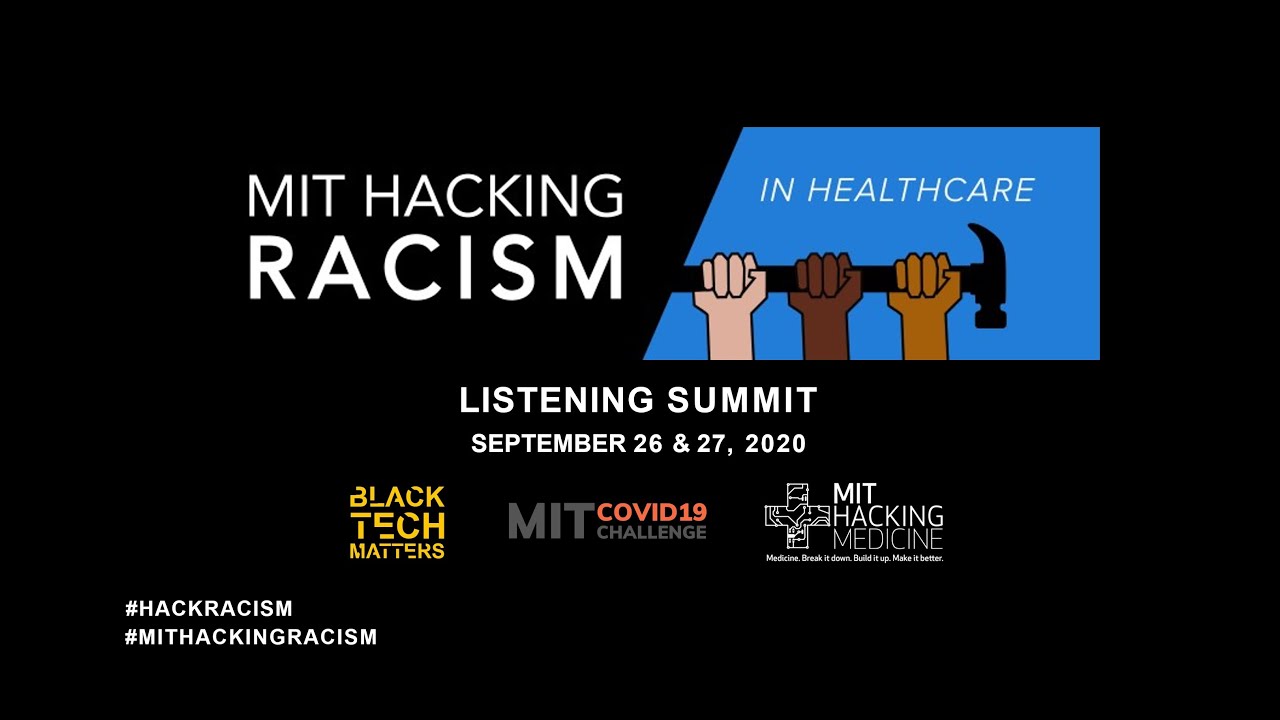
MIT News: 3Q: Addressing structural racism in health care as an innovation opportunity

MIT News: 3Q: Addressing structural racism in health care as an innovation opportunity

MIT News – Institute Community and Equity Office (ICEO) – October 9, 2020

Far-reaching effects of structural racism can be seen in all facets of American life. This year, as Americans witnessed widespread demonstrations stemming from racial injustice at the hands of officers in law enforcement, a ground swell of conversations about race and pleas for action emerged.

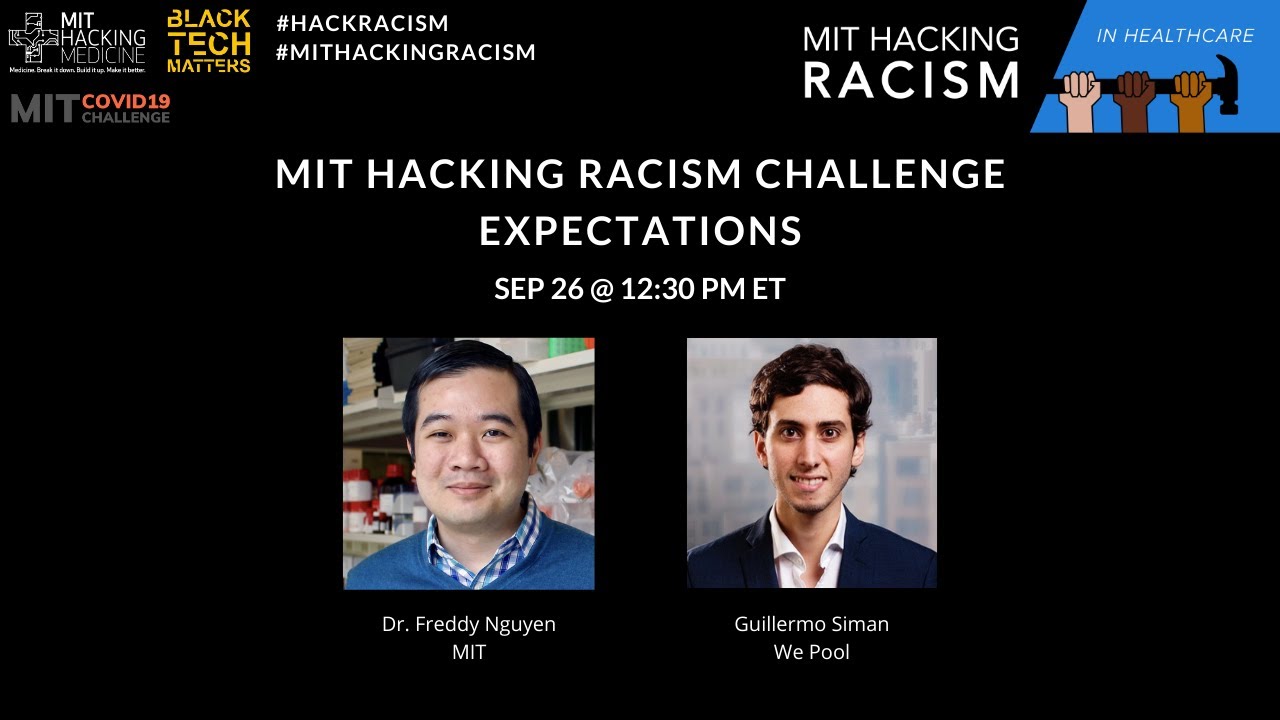
One area in which racism has had significant effects is health care equity, a fact that has been exacerbated by the Covid-19 pandemic. In light of current events, members of the MIT community involved in the successful hackathons MIT Covid-19 Challenge and MIT Hacking Medicine sought to explore the role of racism embedded in U.S. health care structures. More specifically, how could they tear down racism in health care using proven hackathon methodology traditionally applied to other complex health care problems?

MIT Virtual Alumni Leadership Conference: Mind, Hand, and Heart – MIT Alumni Stories of Inspiration

MIT Virtual Alumni Leadership Conference: Mind, Hand, and Heart – MIT Alumni Stories of Inspiration

In a lightning talk format, alumni and postdocs from various MIT schools, departments, and class years will share personal stories of finding inspiration and taking action during the Covid-19 pandemic and beyond. Speakers will discuss topics that include MIT Hacking COVID, interdisciplinary research and design, producing and distributing PPEs, supporting nonprofits, and an ambitious project that aims to turn motorcycles into lifesaving devices.

Slice of MIT: Hundreds of Teams Converge Online for MIT Covid-19 Challenge Hackathons

Slice of MIT: Hundreds of Teams Converge Online for MIT Covid-19 Challenge Hackathons

Slice of MIT – Ken Shulman – September 23, 2020

It was early March 2020. The US and the world were bracing for the outbreak of a dangerous viral pandemic. Most members of the MIT community had left the campus and returned to their homes—many of them to homes abroad. For Alfonso Martinez MBA ’20 and Freddy T. Nguyen, the Arnold O. Beckman Postdoctoral Fellow at MIT’s Institute for Medical Engineering and Science and a pathology resident at Mount Sinai Hospital, there was only one logical response: a hackathon.

“We had an impending pandemic that was going to create myriad problems across the globe,” says Nguyen, a co-organizer, along with Martinez, of the MIT Covid-19 Challenge. Since March, the MIT community-led initiative has staged seven hackathons addressing the pandemic. “We needed to define the problems facing us and create a structure that could produce solutions quickly. At the same time, we had hundreds of our people with mad skills confined to their homes with nowhere to apply those skills. From our perspective, a hackathon was a no-brainer.”

An Unsupervised Machine Learning Approach to Assess the ZIP Code Level Impact of COVID-19 in NYC

An Unsupervised Machine Learning Approach to Assess the ZIP Code Level Impact of COVID-19 in NYC

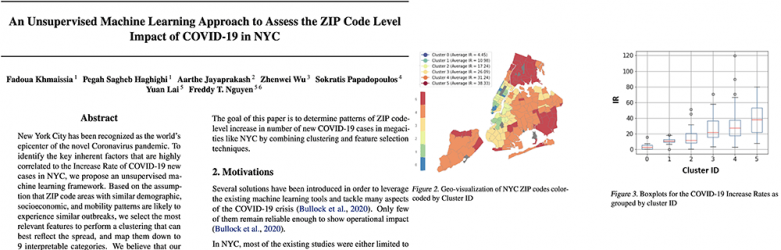
New York City has been recognized as the world’s epicenter of the novel Coronavirus pandemic. To identify the key inherent factors that are highly correlated to the Increase Rate of COVID-19 new cases in NYC, we propose an unsupervised machine learning framework. Based on the assumption that ZIP code areas with similar demographic, socioeconomic, and mobility patterns are likely to experience similar outbreaks, we select the most relevant features to perform a clustering that can best reflect the spread, and map them down to 9 interpretable categories. We believe that our findings can guide policy makers to promptly anticipate and prevent the spread of the virus by taking the right measures.

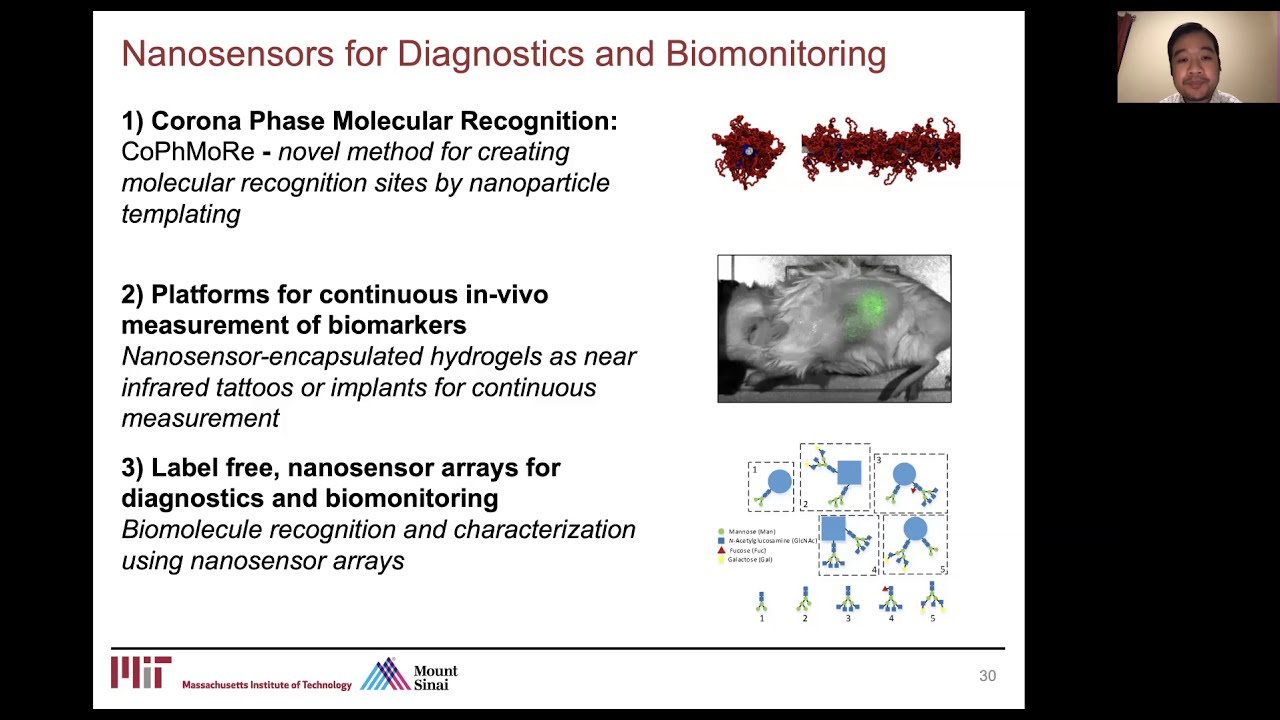
Implantable Nanosensors for Human Steroid Hormone Sensing In Vivo Using a Self-Templating Corona Phase Molecular Recognition

Implantable Nanosensors for Human Steroid Hormone Sensing In Vivo Using a Self-Templating Corona Phase Molecular Recognition

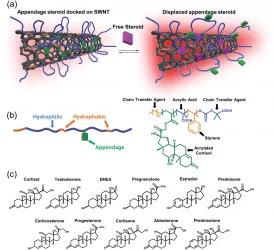
Dynamic measurements of steroid hormones in vivo are critical, but steroid sensing is currently limited by the availability of specific molecular recognition elements due to the chemical similarity of these hormones. In this work, a new, self‐templating synthetic approach is applied using corona phase molecular recognition (CoPhMoRe) targeting the steroid family of molecules to produce near infrared fluorescent, implantable sensors. A key limitation of CoPhMoRe has been its reliance on library generation for sensor screening. This problem is addressed with a self‐templating strategy of polymer design, using the examples of progesterone and cortisol sensing based on a styrene and acrylic acid copolymer library augmented with an acrylated steroid. The pendant steroid attached to the corona backbone is shown to self‐template the phase, providing a unique CoPhMoRE design strategy with high efficacy. The resulting sensors exhibit excellent stability and reversibility upon repeated analyte cycling. It is shown that molecular recognition using such constructs is viable even in vivo after sensor implantation into a murine model by employing a poly (ethylene glycol) diacrylate (PEGDA) hydrogel and porous cellulose interface to limit nonspecific absorption. The results demonstrate that CoPhMoRe templating is sufficiently robust to enable a new class of continuous, in vivo biosensors.

By Every Measure – Explores the Undeniable Data of Systemic Racism: Episode 6 – Health

By Every Measure – Explores the Undeniable Data of Systemic Racism: Episode 6 – Health

By Every Measure – 88Nine Radio Milwaukee – Tarik Moody – 

In “By Every Measure,” 88Nine Radio Milwaukee’s (WYMS-88.9 FM) new podcast, award-winning data expert and research journalist Reggie Jackson and 88Nine’s Director of Digital Strategy & Innovation Tarik Moody explore systemic racism in various sectors of Milwaukee, looking closely at how those systems were formed and how they can – and need – to be changed.

Episode 6 – Health: With a global pandemic as the backdrop, hosts Tarik Moody and Reggie Jackson analyze health disparities Black people face in America, including bias in healthcare, infant mortality and COVID-19. Then, Tarik assembles a panel of experts from MIT, Froedtert and the Medical College of Wisconsin and the City of Milwaukee Health Department to examine possible solutions.

MIT COVID-19 Datathon: data without boundaries

MIT COVID-19 Datathon: data without boundaries

The COVID-19 virus is a formidable global threat, impacting all aspects of society and exacerbating the existing inequities of our current social systems. As we battle the virus across multiple fronts, data are critical for understanding this disease and for coordinating an effective global response. Given the current digitisation of so many aspects of life, we are amassing data that can be extrapolated and analysed for the effective forecasting, prevention and treatment of COVID-19. With responsible stewardship, the tools and data-driven solutions currently in development for the COVID-19 pandemic will serve in the present while providing a much-needed foundation for a data-based response to future outbreaks and disasters.

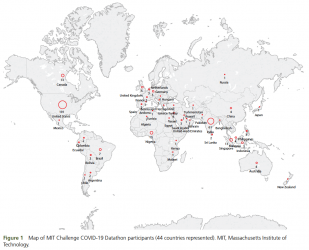
In response to COVID-19, and using data generated thus far, groups at the Massachusetts Institute of Technology (MIT) in partnership with the American Civil Liberties Union (ACLU) of Massachusetts, Google Cloud, Beth Israel Deaconess Medical Center (BIDMC) Innovations Group and Harvard Medical Faculty Physicians at BIDMC came together to host the MIT Challenge COVID-19 Datathon (COVID-19 Datathon) from 10–16 May 2020. A ‘datathon’ adopts the ‘hackathon’ model, with a focus on data and data science methodologies, which promotes collaboration, design thinking and problem solving. In a typical hackathon, participants with disparate but complementary backgrounds work together in small groups for a prescribed and intensive ‘sprint’, typically over the course of one weekend, to develop a new concept, product or business idea. Subject matter expert ‘mentors’’ oversee and advise the teams. At the conclusion of the event, the teams present to a panel of judges. Winners are selected and are typically awarded seed funding. Datathons differ from hackathons in that the output is data analysis. MIT Critical Data, one of the organising groups of the COVID-19 Datathon, has hosted 36 international healthcare datathons.