
Implantable Nanosensors for Human Steroid Hormone Sensing In Vivo Using a Self-Templating Corona Phase Molecular Recognition

Dynamic measurements of steroid hormones in vivo are critical, but steroid sensing is currently limited by the availability of specific molecular recognition elements due to the chemical similarity of these hormones. In this work, a new, self‐templating synthetic approach is applied using corona phase molecular recognition (CoPhMoRe) targeting the steroid family of molecules to produce near infrared fluorescent, implantable sensors. A key limitation of CoPhMoRe has been its reliance on library generation for sensor screening. This problem is addressed with a self‐templating strategy of polymer design, using the examples of progesterone and cortisol sensing based on a styrene and acrylic acid copolymer library augmented with an acrylated steroid. The pendant steroid attached to the corona backbone is shown to self‐template the phase, providing a unique CoPhMoRE design strategy with high efficacy. The resulting sensors exhibit excellent stability and reversibility upon repeated analyte cycling. It is shown that molecular recognition using such constructs is viable even in vivo after sensor implantation into a murine model by employing a poly (ethylene glycol) diacrylate (PEGDA) hydrogel and porous cellulose interface to limit nonspecific absorption. The results demonstrate that CoPhMoRe templating is sufficiently robust to enable a new class of continuous, in vivo biosensors.
Nature Medicine: Convalescent plasma treatment of severe COVID-19: a propensity score–matched control study

Coronavirus disease 2019 (COVID-19), caused by severe acute respiratory syndrome coronavirus 2 (SARS-CoV-2), is a new human disease with few effective treatments. Convalescent plasma, donated by persons who have recovered from COVID-19, is the acellular component of blood that contains antibodies, including those that specifically recognize SARS-CoV-2. These antibodies, when transfused into patients infected with SARS-CoV-2, are thought to exert an antiviral effect, suppressing virus replication before patients have mounted their own humoral immune responses. Virus-specific antibodies from recovered persons are often the first available therapy for an emerging infectious disease, a stopgap treatment while new antivirals and vaccines are being developed. This retrospective, propensity score–matched case–control study assessed the effectiveness of convalescent plasma therapy in 39 patients with severe or life-threatening COVID-19 at The Mount Sinai Hospital in New York City. Oxygen requirements on day 14 after transfusion worsened in 17.9% of plasma recipients versus 28.2% of propensity score–matched controls who were hospitalized with COVID-19 (adjusted odds ratio (OR), 0.86; 95% confidence interval (CI), 0.75–0.98; chi-square test P value = 0.025). Survival also improved in plasma recipients (adjusted hazard ratio (HR), 0.34; 95% CI, 0.13–0.89; chi-square test P = 0.027). Convalescent plasma is potentially effective against COVID-19, but adequately powered, randomized controlled trials are needed.
MIT COVID-19 Datathon: data without boundaries

The COVID-19 virus is a formidable global threat, impacting all aspects of society and exacerbating the existing inequities of our current social systems. As we battle the virus across multiple fronts, data are critical for understanding this disease and for coordinating an effective global response. Given the current digitisation of so many aspects of life, we are amassing data that can be extrapolated and analysed for the effective forecasting, prevention and treatment of COVID-19. With responsible stewardship, the tools and data-driven solutions currently in development for the COVID-19 pandemic will serve in the present while providing a much-needed foundation for a data-based response to future outbreaks and disasters.
In response to COVID-19, and using data generated thus far, groups at the Massachusetts Institute of Technology (MIT) in partnership with the American Civil Liberties Union (ACLU) of Massachusetts, Google Cloud, Beth Israel Deaconess Medical Center (BIDMC) Innovations Group and Harvard Medical Faculty Physicians at BIDMC came together to host the MIT Challenge COVID-19 Datathon (COVID-19 Datathon) from 10–16 May 2020. A ‘datathon’ adopts the ‘hackathon’ model, with a focus on data and data science methodologies, which promotes collaboration, design thinking and problem solving. In a typical hackathon, participants with disparate but complementary backgrounds work together in small groups for a prescribed and intensive ‘sprint’, typically over the course of one weekend, to develop a new concept, product or business idea. Subject matter expert ‘mentors’’ oversee and advise the teams. At the conclusion of the event, the teams present to a panel of judges. Winners are selected and are typically awarded seed funding. Datathons differ from hackathons in that the output is data analysis. MIT Critical Data, one of the organising groups of the COVID-19 Datathon, has hosted 36 international healthcare datathons.
A Fiber Optic Interface Coupled to Nanosensors: Applications to Protein Aggregation and Organic Molecule Quantification

Fluorescent nanosensors hold promise to address analytical challenges in the biopharmaceutical industry. The monitoring of therapeutic protein critical quality attributes such as aggregation is a longstanding challenge requiring low detection limits and multiplexing of different product parameters. However, general approaches for interfacing nanosensors to the biopharmaceutical process remain minimally explored to date. Herein, we design and fabricate a integrated fiber optic nanosensor element, measuring sensitivity, response time, and stability for applications to the rapid process monitoring. The fiber optic-nanosensor interface, or optode, consists of label-free nIR fluorescent single-walled carbon nanotube transducers embedded within a protective yet porous hydrogel attached to the end of the fiber waveguide. The optode platform is shown to be capable of differentiating the aggregation status of human immunoglobulin G, reporting the relative fraction of monomers and dimer aggregates with sizes 5.6 and 9.6 nm, respectively, in under 5 min of analysis time. We introduce a lab-on-fiber design with potential for at-line monitoring with integration of 3D-printed miniaturized sensor tips having high mechanical flexibility. A parallel measurement of fluctuations in laser excitation allows for intensity normalization and significantly lower noise level (3.7-times improved) when using lower quality lasers, improving the cost effectiveness of the platform. As an application, we demonstrate the capability of the fully-integrated lab-on-fiber system to rapid monitoring of various bioanalytes including serotonin, norepinephrine, adrenaline, and hydrogen peroxide, in addition to proteins and their aggregation states. These results in total constitute an effective form factor for nanosensor based transducers for applications in industrial process monitoring.
Cancer Research: DNA-SWCNT Biosensors Allow Real-Time Monitoring of Therapeutic Responses in Pancreatic Ductal Adenocarcinoma

Pancreatic ductal adenocarcinoma (PDAC) is a highly desmoplastic cancer with limited treatment options. There is an urgent need for tools that monitor therapeutic responses in real time. Drugs such as gemcitabine and irinotecan elicit their therapeutic effect in cancer cells by producing hydrogen peroxide (HO). In this study, specific DNA-wrapped single-walled carbon nanotubes (SWCNT), which precisely monitor HO, were used to determine the therapeutic response of PDAC cells and tumors . Drug therapeutic efficacy was evaluated by monitoring HO differences using reversible alteration of Raman G-bands from the nanotubes. Implantation of the DNA-SWCNT probe inside the PDAC tumor resulted in approximately 50% reduction of Raman G-band intensity when treated with gemcitabine versus the pretreated tumor; the Raman G-band intensity reversed to its pretreatment level upon treatment withdrawal. In summary, using highly specific and sensitive DNA-SWCNT nanosensors, which can determine dynamic alteration of hydrogen peroxide in tumor, can evaluate the effectiveness of chemotherapeutics. SIGNIFICANCE: A novel biosensor is used to detect intratumoral hydrogen peroxide, allowing real-time monitoring of responses to chemotherapeutic drugs.
Beckman Foundation: 2019 Beckman Symposium Recap Video

Implanted Nanosensors in Marine Organisms for Physiological Biologging: Design, Feasibility, and Species Variability

In recent decades, biologists have sought to tag animals with various sensors to study aspects of their behavior otherwise inaccessible from controlled laboratory experiments. Despite this, chemical information, both environmental and physiological, remains challenging to collect despite its tremendous potential to elucidate a wide range of animal behaviors. In this work, we explore the design, feasibility, and data collection constraints of implantable, near-infrared fluorescent nanosensors based on DNA-wrapped single-wall carbon nanotubes (SWNT) embedded within a biocompatible poly(ethylene glycol) diacrylate (PEGDA) hydrogel. These sensors are enabled by Corona Phase Molecular Recognition (CoPhMoRe) to provide selective chemical detection for marine organism biologging. Riboflavin, a key nutrient in oxidative phosphorylation, is utilized as a model analyte in in vitro and ex vivo tissue measurements. Nine species of bony fish, sharks, eels, and turtles were utilized on site at Oceanogràfic in Valencia, Spain to investigate sensor design parameters, including implantation depth, sensor imaging and detection limits, fluence, and stability, as well as acute and long-term biocompatibility. Hydrogels were implanted subcutaneously and imaged using a customized, field-portable Raspberry Pi camera system. Hydrogels could be detected up to depths of 7 mm in the skin and muscle tissue of deceased teleost fish ( Sparus aurata and Stenotomus chrysops) and a deceased catshark ( Galeus melastomus). The effects of tissue heterogeneity on hydrogel delivery and fluorescence visibility were explored, with darker tissues masking hydrogel fluorescence. Hydrogels were implanted into a living eastern river cooter ( Pseudemys concinna), a European eel ( Anguilla anguilla), and a second species of catshark ( Scyliorhinus stellaris). The animals displayed no observable changes in movement and feeding patterns. Imaging by high-resolution ultrasound indicated no changes in tissue structure in the eel and catshark. In the turtle, some tissue reaction was detected upon dissection and histopathology. Analysis of movement patterns in sarasa comet goldfish ( Carassius auratus) indicated that the hydrogel implants did not affect swimming patterns. Taken together, these results indicate that this implantable form factor is a promising technique for biologging using aquatic vertebrates with further development. Future work will tune the sensor detection range to the physiological range of riboflavin, develop strategies to normalize sensor signal to account for the optical heterogeneity of animal tissues, and design a flexible, wearable device incorporating optoelectronic components that will enable sensor measurements in moving animals. This work advances the application of nanosensors to organisms beyond the commonly used rodent and zebrafish models and is an important step toward the physiological biologging of aquatic organisms.
Beckman Foundation: 2018 Beckman Symposium Video Highlight Reel

Children’s Hospital of Philadelphia – Mitochondrial Research Affinity Group Seminar

2017 Class of Arnold O. Beckman Postdoctoral Fellows

The Arnold and Mabel Beckman Foundation announced today its 2017 class of Arnold O. Beckman Postdoctoral Fellows, individuals who underscore the Foundation’s mission of supporting basic research in the chemistry and life sciences. They were selected after a three-part review led by a panel of scientific experts.
The Foundation will award more than $2.6 million in funding for 20 exceptional research fellows from 13 universities
MIT News: Developing rapid cancer nano sensors
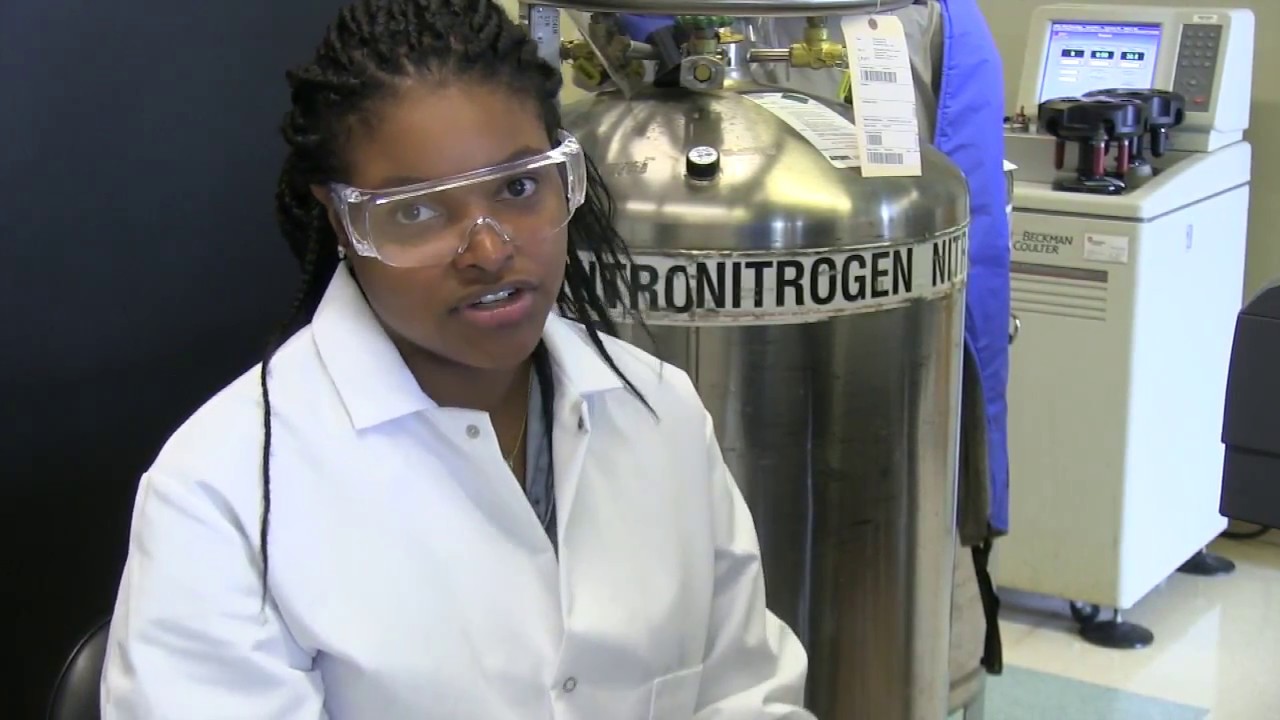
Chemicals like nitric oxide and hydrogen peroxide can promote cancer growth. MPC-CMSE Summer Scholar Kaila Holloway is working in the lab of Michael S. Strano, Carbon P. Dubbs Professor in Chemical Engineering at MIT, to develop tiny chemical sensors to detect their concentrations near tumors in the body.
MIT News: Four from MIT named 2017 Arnold O. Beckman Postdoctoral Fellows

MIT News – Melanie Miller Kaufman – Department of Chemical Engineering – April 24, 2017
Chemical engineering and chemistry postdocs “expected to become the next generation of leaders and innovators in science, engineering, and technology.”
Danielle Mai and Freddy Nguyen from the MIT Department of Chemical Engineering, along with Liela Bayeh and Julianne Troiano of the Department of Chemistry, were awarded 2017 Arnold O. Beckman Postdoctoral Fellowships. The two-year, competitive program will support each researcher’s continuing work in their corresponding labs.
Freddy Nguyen, a member of the Michael Strano lab, is working to develop nanoscale molecular sensors for probing cancer tumors and their microenvironments. He would like to implant nanosensors inside tumors to measure their response, at the molecular level, to various cancer therapies such as chemotherapeutics and radiation therapy. In 2016, he earned his medical degree from the University of Illinois at Chicago, and in 2015 received a PhD in physical chemistry from the University of Illinois at Urbana-Champaign.