
A Fiber Optic Interface Coupled to Nanosensors: Applications to Protein Aggregation and Organic Molecule Quantification

Fluorescent nanosensors hold promise to address analytical challenges in the biopharmaceutical industry. The monitoring of therapeutic protein critical quality attributes such as aggregation is a longstanding challenge requiring low detection limits and multiplexing of different product parameters. However, general approaches for interfacing nanosensors to the biopharmaceutical process remain minimally explored to date. Herein, we design and fabricate a integrated fiber optic nanosensor element, measuring sensitivity, response time, and stability for applications to the rapid process monitoring. The fiber optic-nanosensor interface, or optode, consists of label-free nIR fluorescent single-walled carbon nanotube transducers embedded within a protective yet porous hydrogel attached to the end of the fiber waveguide. The optode platform is shown to be capable of differentiating the aggregation status of human immunoglobulin G, reporting the relative fraction of monomers and dimer aggregates with sizes 5.6 and 9.6 nm, respectively, in under 5 min of analysis time. We introduce a lab-on-fiber design with potential for at-line monitoring with integration of 3D-printed miniaturized sensor tips having high mechanical flexibility. A parallel measurement of fluctuations in laser excitation allows for intensity normalization and significantly lower noise level (3.7-times improved) when using lower quality lasers, improving the cost effectiveness of the platform. As an application, we demonstrate the capability of the fully-integrated lab-on-fiber system to rapid monitoring of various bioanalytes including serotonin, norepinephrine, adrenaline, and hydrogen peroxide, in addition to proteins and their aggregation states. These results in total constitute an effective form factor for nanosensor based transducers for applications in industrial process monitoring.
Rice Magazine: Pivoting in a Pandemic

Rice Magazine – Freddy Nguyen, David Levin – June 28, 2020
As a pathology resident and research scientist, I’m refocusing my work to help evaluate convalescent plasma as a treatment option for COVID-19 patients.
New York is supposed to be the city that never sleeps. Things are supposed to happen around the clock every day of the year — but right now, the entire city is on lockdown. You walk down the street and don’t see a soul. In this town, it feels apocalyptic.
I came to New York in July 2019 as an M.D. and a Ph.D. I had just finished a postdoctoral fellowship at MIT in Boston and was starting a pathology residency at Mount Sinai Hospital, one of the largest hospitals in Manhattan. Before the pandemic set in, I was developing new nanotechnology and imaging techniques to help fight against cancer. But since the beginning of March, I’ve been working nonstop with the rest of my colleagues to fight against COVID-19.
Cancer Research: DNA-SWCNT Biosensors Allow Real-Time Monitoring of Therapeutic Responses in Pancreatic Ductal Adenocarcinoma

Pancreatic ductal adenocarcinoma (PDAC) is a highly desmoplastic cancer with limited treatment options. There is an urgent need for tools that monitor therapeutic responses in real time. Drugs such as gemcitabine and irinotecan elicit their therapeutic effect in cancer cells by producing hydrogen peroxide (HO). In this study, specific DNA-wrapped single-walled carbon nanotubes (SWCNT), which precisely monitor HO, were used to determine the therapeutic response of PDAC cells and tumors . Drug therapeutic efficacy was evaluated by monitoring HO differences using reversible alteration of Raman G-bands from the nanotubes. Implantation of the DNA-SWCNT probe inside the PDAC tumor resulted in approximately 50% reduction of Raman G-band intensity when treated with gemcitabine versus the pretreated tumor; the Raman G-band intensity reversed to its pretreatment level upon treatment withdrawal. In summary, using highly specific and sensitive DNA-SWCNT nanosensors, which can determine dynamic alteration of hydrogen peroxide in tumor, can evaluate the effectiveness of chemotherapeutics. SIGNIFICANCE: A novel biosensor is used to detect intratumoral hydrogen peroxide, allowing real-time monitoring of responses to chemotherapeutic drugs.
MIT News: Yearlong hackathon engages nano community around health issues Hacking Nanomedicine kicks off a series of events to develop an idea over time.

MIT News – MIT.nano – August 9, 2019
A traditional hackathon focuses on computer science and programming, attracts coders in droves, and spans an entire weekend with three stages: problem definition, solution development, and business formation.
Hacking Nanomedicine, however, recently brought together graduate and postgraduate students for a single morning of hands-on problem solving and innovation in health care while offering networking opportunities across departments and research interests. Moreover, the July hackathon was the first in a series of three half-day events structured to allow ideas to develop over time.
Implanted Nanosensors in Marine Organisms for Physiological Biologging: Design, Feasibility, and Species Variability

In recent decades, biologists have sought to tag animals with various sensors to study aspects of their behavior otherwise inaccessible from controlled laboratory experiments. Despite this, chemical information, both environmental and physiological, remains challenging to collect despite its tremendous potential to elucidate a wide range of animal behaviors. In this work, we explore the design, feasibility, and data collection constraints of implantable, near-infrared fluorescent nanosensors based on DNA-wrapped single-wall carbon nanotubes (SWNT) embedded within a biocompatible poly(ethylene glycol) diacrylate (PEGDA) hydrogel. These sensors are enabled by Corona Phase Molecular Recognition (CoPhMoRe) to provide selective chemical detection for marine organism biologging. Riboflavin, a key nutrient in oxidative phosphorylation, is utilized as a model analyte in in vitro and ex vivo tissue measurements. Nine species of bony fish, sharks, eels, and turtles were utilized on site at Oceanogràfic in Valencia, Spain to investigate sensor design parameters, including implantation depth, sensor imaging and detection limits, fluence, and stability, as well as acute and long-term biocompatibility. Hydrogels were implanted subcutaneously and imaged using a customized, field-portable Raspberry Pi camera system. Hydrogels could be detected up to depths of 7 mm in the skin and muscle tissue of deceased teleost fish ( Sparus aurata and Stenotomus chrysops) and a deceased catshark ( Galeus melastomus). The effects of tissue heterogeneity on hydrogel delivery and fluorescence visibility were explored, with darker tissues masking hydrogel fluorescence. Hydrogels were implanted into a living eastern river cooter ( Pseudemys concinna), a European eel ( Anguilla anguilla), and a second species of catshark ( Scyliorhinus stellaris). The animals displayed no observable changes in movement and feeding patterns. Imaging by high-resolution ultrasound indicated no changes in tissue structure in the eel and catshark. In the turtle, some tissue reaction was detected upon dissection and histopathology. Analysis of movement patterns in sarasa comet goldfish ( Carassius auratus) indicated that the hydrogel implants did not affect swimming patterns. Taken together, these results indicate that this implantable form factor is a promising technique for biologging using aquatic vertebrates with further development. Future work will tune the sensor detection range to the physiological range of riboflavin, develop strategies to normalize sensor signal to account for the optical heterogeneity of animal tissues, and design a flexible, wearable device incorporating optoelectronic components that will enable sensor measurements in moving animals. This work advances the application of nanosensors to organisms beyond the commonly used rodent and zebrafish models and is an important step toward the physiological biologging of aquatic organisms.
In vivo detection of drug-induced apoptosis in tumors using Raman spectroscopy

We describe a label-free approach based on Raman spectroscopy, to study drug-induced apoptosis in vivo. Spectral-shifts at wavenumbers associated with DNA, proteins, lipids, and collagen have been identified on breast and melanoma tumor tissues. These findings may enable a new analytical method for rapid readout of drug-therapy with miniaturized probes.
Children’s Hospital of Philadelphia – Mitochondrial Research Affinity Group Seminar

Characterization of magnetic nanoparticle-seeded microspheres for magnetomotive and multimodal imaging

Magnetic iron-oxide nanoparticles have been developed as contrast agents in magnetic resonance imaging (MRI) and as therapeutic agents in magnetic hyperthermia. They have also recently been demonstrated as contrast and elastography agents in magnetomotive optical coherence tomography and elastography (MM-OCT and MM-OCE, respectively). Protein-shell microspheres containing suspensions of these magnetic nanoparticles in lipid cores, and with functionalized outer shells for specific targeting, have also been demonstrated as efficient contrast agents for imaging modalities such as MM-OCT and MRI, and can be easily modified for other modalities such as ultrasound, fluorescence, and luminescence imaging. In addition to multimodal contrast-enhanced imaging, these microspheres could serve as drug carriers for targeted delivery under image guidance. Although the preparation and surface modifications of protein microspheres containing iron oxide nanoparticles has been previously described and feasibility studies conducted, many questions regarding their production and properties remain. Since the use of multifunctional microspheres could have high clinical relevance, here we report a detailed characterization of their properties and behavior in different environments to highlight their versatility. The work presented here is an effort for the development and optimization of nanoparticle-based microspheres as multi-modal contrast agents that can bridge imaging modalities on different size scales.
2017 Class of Arnold O. Beckman Postdoctoral Fellows

The Arnold and Mabel Beckman Foundation announced today its 2017 class of Arnold O. Beckman Postdoctoral Fellows, individuals who underscore the Foundation’s mission of supporting basic research in the chemistry and life sciences. They were selected after a three-part review led by a panel of scientific experts.
The Foundation will award more than $2.6 million in funding for 20 exceptional research fellows from 13 universities
MIT News: Developing rapid cancer nano sensors
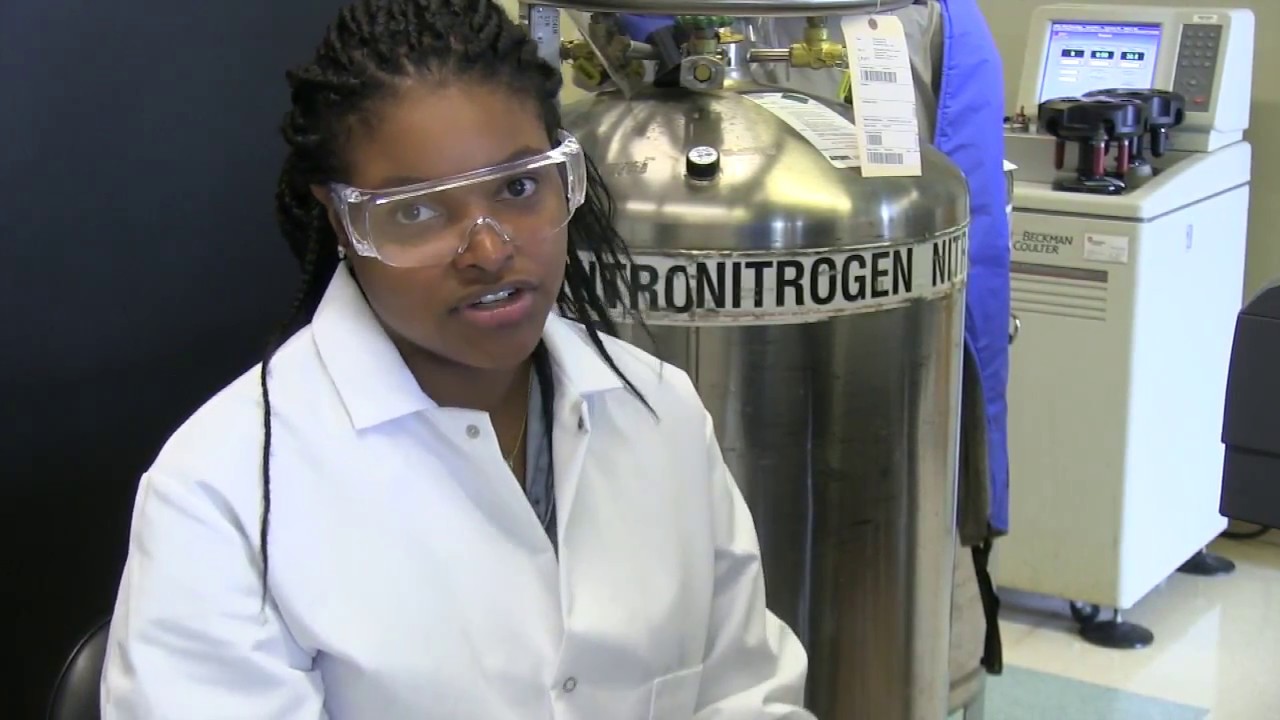
Chemicals like nitric oxide and hydrogen peroxide can promote cancer growth. MPC-CMSE Summer Scholar Kaila Holloway is working in the lab of Michael S. Strano, Carbon P. Dubbs Professor in Chemical Engineering at MIT, to develop tiny chemical sensors to detect their concentrations near tumors in the body.
MIT News: Four from MIT named 2017 Arnold O. Beckman Postdoctoral Fellows

MIT News – Melanie Miller Kaufman – Department of Chemical Engineering – April 24, 2017
Chemical engineering and chemistry postdocs “expected to become the next generation of leaders and innovators in science, engineering, and technology.”
Danielle Mai and Freddy Nguyen from the MIT Department of Chemical Engineering, along with Liela Bayeh and Julianne Troiano of the Department of Chemistry, were awarded 2017 Arnold O. Beckman Postdoctoral Fellowships. The two-year, competitive program will support each researcher’s continuing work in their corresponding labs.
Freddy Nguyen, a member of the Michael Strano lab, is working to develop nanoscale molecular sensors for probing cancer tumors and their microenvironments. He would like to implant nanosensors inside tumors to measure their response, at the molecular level, to various cancer therapies such as chemotherapeutics and radiation therapy. In 2016, he earned his medical degree from the University of Illinois at Chicago, and in 2015 received a PhD in physical chemistry from the University of Illinois at Urbana-Champaign.
2017 Arnold O. Beckman Postdoctoral Fellow

Arnold and Mabel Beckman Foundation – March 30, 2017
2017 Beckman Postdoctoral Fellow
Massachusetts Institute of Technology
Research: Development of nanosensors for in-vivo monitoring of cancer therapeutics